How Gen Z Is Redefining the Way We Invest

A New Generation, A New Investing Era
Every generation changes the financial landscape in its own way. The Baby Boomers trusted banks, Gen X built portfolios of mutual funds, and Millennials embraced SIPs and real estate. But now, Gen Z (born between 1997 and 2012) — the first truly digital-native generation — is redefining the way we invest.
Armed with smartphones, social awareness, and a desire for independence, Gen Z investors are blending finance with purpose, technology with trust, and risk with reward in a way no generation has done before.
Let’s explore how this new generation is changing investment behavior, asset preferences, and even financial systems across the globe.
Who Are Gen Z Investors?
Before understanding their investment style, let’s define who they are:
- Age group (as of 2025): 13–28 years
- Highly tech-savvy and digitally literate
- Believe in financial freedom early in life
- Value sustainability, ethics, and impact
- Prefer information transparency and community-driven platforms
Unlike previous generations, Gen Z doesn’t wait for a “right time” to invest. Thanks to investment apps, influencers, and social media education, many start investing right after their first paycheck — some even earlier.
1. Digital Platforms: Investing at Their Fingertips
For Gen Z, the stockbroker’s office is now an app.
They trust technology more than traditional institutions.
The Shift to FinTech:
- Platforms like Groww, Zerodha, Robinhood, and Upstox have simplified investing.
- They allow fractional shares, no minimum balance, and easy SIP setup.
- AI-based robo-advisors guide beginners with personalized suggestions.
Social Media’s Role:
- YouTube, Instagram, and X (Twitter) have become classrooms for financial literacy.
- “Finfluencers” explain concepts like mutual funds, SIPs, and ETFs in relatable ways.
- Investment decisions are now community-influenced rather than broker-driven.
👉 SEO Tip: Use keywords like digital investing, Gen Z investment platforms, FinTech investment trends throughout your article.

2. Values Over Valuation: Rise of ESG and Ethical Investing
Gen Z doesn’t invest just for returns — they invest for impact.
What Is ESG Investing?
ESG stands for Environmental, Social, and Governance — companies that operate responsibly toward the planet, people, and ethics.
Instead of blindly chasing profits, Gen Z investors ask:
- Does this company help the environment?
- Does it treat employees fairly?
- Does it promote diversity and transparency?
Real-World Examples:
- Preference for renewable energy companies over oil and gas.
- Interest in EV manufacturers like Tesla or Tata Motors.
- Investments in sustainable mutual funds and green bonds.
In short, profit with purpose is Gen Z’s mantra.
3. The Crypto & Digital Asset Revolution
Gen Z is the first generation to embrace digital money wholeheartedly.
While Millennials introduced Bitcoin to the mainstream, Gen Z normalized crypto as an asset class.
Why Crypto Appeals to Gen Z:
- Decentralized & transparent — no banks involved.
- Potential for high returns.
- Strong belief in blockchain technology as the future of finance.
- Ownership of NFTs and participation in metaverse economies.
According to multiple global reports:
Over 55% of Gen Z investors have owned or traded crypto assets at least once.
However, they’re also more cautious now after market crashes — learning to diversify between crypto, stocks, and ETFs.

4. Shifting Priorities: From Real Estate to Digital Assets
Unlike their parents, Gen Z doesn’t see property as the first milestone of adulthood.
They prioritize flexibility over ownership.
Changing Financial Goals:
- Instead of saving for a home, many save for travel, education, or business ventures.
- Digital assets, start-up equity, and index funds have become their preferred long-term plays.
- They use Systematic Investment Plans (SIPs) and smallcase investing to grow gradually.
This shift signifies a philosophical change — wealth is no longer tied to physical possessions but to freedom and options.
5. Peer Influence & Community Investing
In the past, people discussed stocks at offices or clubs.
Today, Gen Z investors discuss investments on Reddit, Telegram, and Discord.
“Social Investing” Defined:
Social investing platforms allow users to follow, copy, or discuss trades made by others.
For example:
- eToro offers “copy trading.”
- Public.com combines social media with investing discussions.
This peer-driven model brings transparency and education, though it also carries herd-risk — following trends blindly without research.

6. Financial Literacy at a Young Age
Gen Z may not be traditional, but they are financially aware.
Many start learning finance from school or through online resources like YouTube, Coursera, or financial blogs.
Trends in Financial Education:
- Increasing demand for investment literacy programs.
- Popularity of budgeting apps like Wallet, Money Manager, and Mint.
- Learning from micro-content — reels, short videos, and infographics.
They want control over their money — not just saving but growing it smartly.
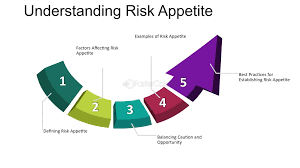
7. Risk Appetite: Balanced Yet Bold
Gen Z investors are not afraid of volatility, but they’re not reckless either.
They combine traditional wisdom with modern experimentation.
Typical Portfolio Mix:
- 40% Mutual Funds or ETFs
- 25% Stocks
- 15% Crypto & Digital Assets
- 10% Gold, REITs, or Bonds
- 10% Emergency Savings
They prefer data-driven decisions, often using analytics tools to study performance instead of blindly trusting “tips.”
8. Micro-Investing and Fractional Ownership
Thanks to apps like INDmoney, Cube Wealth, and Groww, even ₹100 can now make you an investor.
Micro-Investing Defined:
Micro-investing platforms allow users to invest spare change into stocks, ETFs, or mutual funds automatically.
Example: If your coffee costs ₹98 and you pay ₹100, the ₹2 difference gets invested automatically.
This approach has made investing accessible to every young earner — turning daily expenses into small investments.
9. The Global Mindset: Borderless Investing
Unlike earlier generations who focused on domestic markets, Gen Z looks globally.
- Investing in US tech stocks (Apple, Amazon, Nvidia) through international investing apps.
- Exploring foreign ETFs.
- Understanding currency diversification and global macro trends.
They see the world as one financial playground, not limited by geography.
10. What’s Next: Gen Z’s Investment Future (2025 & Beyond)
The coming years will see Gen Z drive major market transformations:
- AI-based wealth management tools will become mainstream.
- Sustainability-linked ETFs will dominate portfolios.
- Crypto regulation will mature, making it a legitimate asset class.
- Personalized investing (based on behavioral data) will replace one-size-fits-all products.
Gen Z will continue to demand transparency, personalization, and purpose from financial institutions.
💬 Conclusion: The New Face of Investing
Gen Z is not just another generation of investors — they are pioneers of a new financial culture.
They want:
- Profit + Purpose
- Freedom + Flexibility
- Technology + Transparency
They are not waiting for traditional advice — they’re learning, experimenting, and shaping financial systems for the future.
In short, Gen Z is redefining investing as an act of empowerment, not obligation.
For more such amazing content visit : https://newseeker.insightsphere.in/







Post Comment