Dwarka Disappears Under Dense Fog: How Unclear Visibility and Toxic Air Brought Delhi to a Standstill
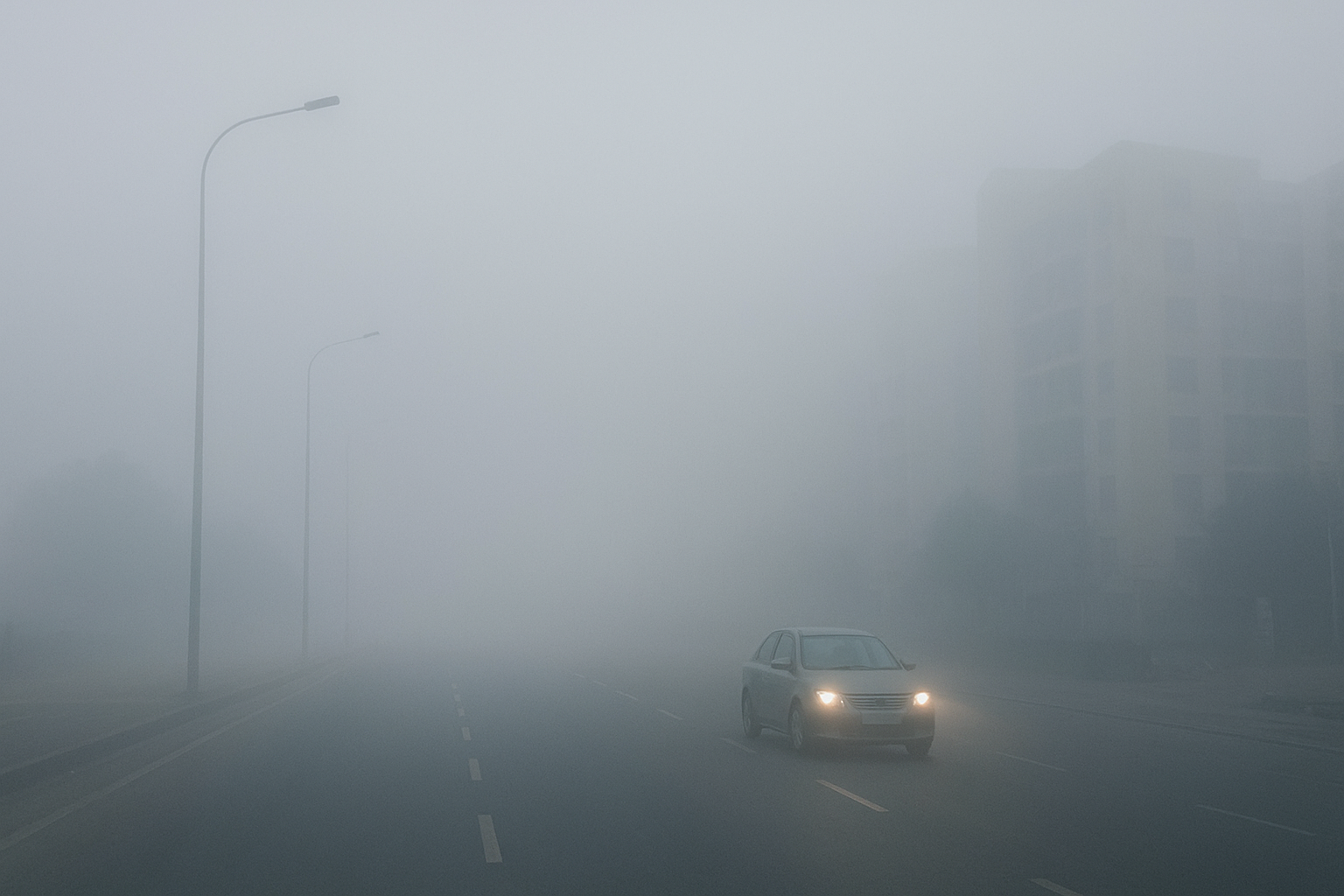
(How dense fog and toxic air combined to bring Dwarka — and much of Delhi — to a standstill, and what you must do next)
Summary (Quick Read)
- Dense fog and poor visibility hit Dwarka and Delhi-NCR during early morning hours
- Flights, road traffic, and trains were severely disrupted
- Air Quality Index (AQI) slipped into the Severe category
- Health risks increased for children, elderly, and respiratory patients
- Authorities issued advisories as winter fog season intensifies
Introduction: A Morning When Dwarka Vanished
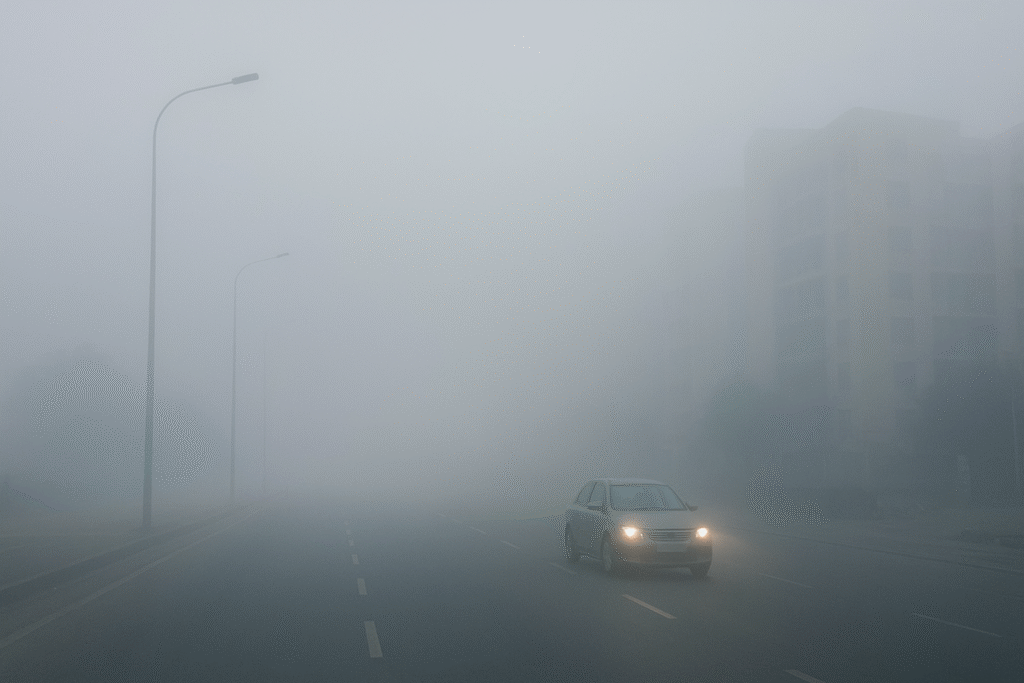
Residents of Dwarka, one of Delhi’s busiest residential and commercial hubs, woke up to an eerie sight — or rather, no sight at all. Thick fog wrapped the entire region, reducing visibility to dangerously low levels. Roads faded into white haze, buildings disappeared just a few meters away, and commuters struggled to navigate their way through the morning.
This wasn’t just a typical winter fog. Combined with toxic air pollution, the situation escalated into a serious public safety and transport disruption, affecting flights, road traffic, and daily life across Delhi-NCR.
What Exactly Happened in Dwarka?
During the early morning hours, dense to very dense fog settled over Dwarka and surrounding areas. Visibility dropped sharply, in some places to near-zero, making it extremely risky for vehicles and pedestrians.
Key Developments:
- Morning visibility fell drastically across Dwarka sectors
- IGI Airport operations were impacted due to low runway visibility
- Major roads witnessed slow traffic and minor accidents
- AQI levels surged, worsening breathing conditions
The combination of fog + pollution made conditions far worse than usual.
Why Was the Fog So Dense This Time?
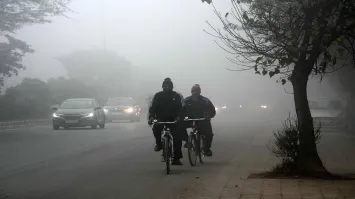
1. Weather Conditions
Winter fog in North India is common, but specific conditions intensified it:
- Calm winds prevented dispersion
- Clear night skies caused surface cooling
- High humidity accelerated fog formation
2. Pollution Acting as a Catalyst
Airborne pollutants act as condensation nuclei, helping fog droplets form faster and stay longer. When pollution is already high, fog becomes:
- Thicker
- Longer-lasting
- More harmful
This phenomenon turns fog into smog, severely affecting visibility and health.
Visibility Crisis: How Bad Was It?

In Dwarka, visibility during peak fog hours dropped so low that:
- Buildings across the street were barely visible
- Drivers struggled to see lane markings
- Pedestrians became nearly invisible to motorists
Such conditions significantly increase the risk of:
- Road accidents
- Pile-ups
- Pedestrian injuries
Traffic police advised extreme caution during early morning travel.
Impact on Air Travel and Airport Operations
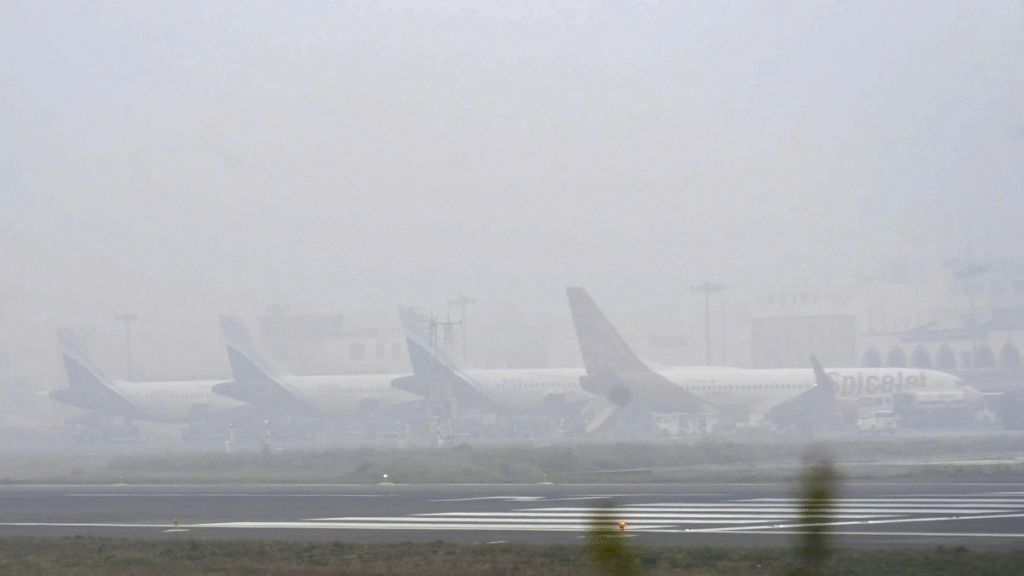
Flight Disruptions at IGI Airport
The dense fog directly impacted flight operations:
- Several flights were delayed
- Many were cancelled or diverted
- Airlines issued travel advisories
Low visibility affects:
- Runway landings
- Taxiing
- Take-off clearance
Passengers were advised to check flight status before leaving for the airport, as delays extended throughout the day.
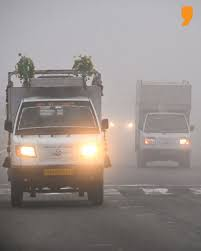
Road Traffic Chaos in Dwarka and NCR
Major Challenges Faced:
- Slow-moving vehicles on main roads
- Poor visibility at intersections
- Increased risk of rear-end collisions
Traffic Advisory Highlights:
- Drive at reduced speed
- Use fog lights or low-beam headlights
- Maintain safe distance between vehicles
Several commuters reported extended travel times and stressful driving conditions.
Rail Services Also Affected
Dense fog doesn’t spare railways. Trains operating in and out of Delhi:
- Ran behind schedule
- Faced signal visibility issues
- Experienced platform congestion
Winter fog is one of the biggest reasons for seasonal train delays in North India.
Health Impact: Why Fog + Pollution Is Dangerous

Who Is Most at Risk?
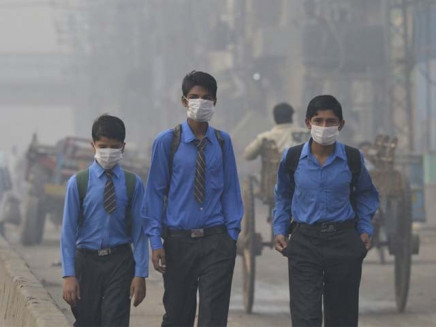
- Children
- Senior citizens
- Asthma and COPD patients
- Heart patients
Common Health Issues Reported:
- Breathlessness
- Eye irritation
- Persistent coughing
- Headaches
High AQI levels mean fine particulate matter enters deep into the lungs, causing both short-term and long-term damage.
Doctors recommend minimizing outdoor exposure during such conditions.
Daily Life Disruptions in Dwarka
)
Fog affected everyday routines:
- Office commuters reached late
- Outdoor workers struggled
- Morning walks and exercise were avoided
- Visibility concerns near schools and crossings
For many residents, the day began with uncertainty and caution.
What Authorities and Weather Experts Say
Meteorological agencies warned of:
- Dense fog during morning hours
- Reduced visibility across Delhi-NCR
- Continued foggy conditions in coming days
Authorities advised residents to:
- Avoid non-essential travel
- Follow safety advisories
- Stay updated via official weather bulletins
Essential Safety Tips for Dwarka Residents
While Driving:
- Slow down significantly
- Avoid sudden braking
- Use fog lights (not high beam)
- Keep hazard lights on only when stationary
For Health Safety:
- Wear N95 masks outdoors
- Avoid morning exercise
- Keep windows closed
- Use air purifiers if possible
Travel Planning:
- Check flight/train status in advance
- Allow extra travel time
- Prefer daylight travel when possible
Is This a One-Day Event or a Growing Pattern?
Unfortunately, such fog episodes are becoming more frequent and intense due to:
- Rising pollution levels
- Urban congestion
- Climate pattern shifts
Without long-term pollution control, fog-related disruptions may worsen each winter.
Can Anything Be Done Long-Term?
Short-Term Measures:
- Better traffic management
- Early advisories
- Flexible office hours
Long-Term Solutions:
- Strict pollution control
- Reduced vehicular emissions
- Improved public transport
- Urban green cover expansion
Reducing pollution directly reduces fog severity.
What to Expect in the Coming Days?

Weather experts suggest:
- Continued fog during early mornings
- Slight improvement during afternoons
- Persistent pollution unless wind speeds increase
Residents are advised to remain cautious and informed.
Final Thoughts: A Wake-Up Call for Winter Preparedness
The fog episode in Dwarka was more than a weather event — it was a clear warning. As winters grow harsher and pollution levels remain high, urban centers like Dwarka face increasing risks to safety, health, and mobility.
Preparedness, awareness, and responsible behavior — both by authorities and citizens — are the only ways to navigate these challenging winter mornings.
For More Such Amazing Content Please Visit : https://insightsphere.in/





Post Comment