Busy is Different Than Productive: How Corporates Can Maximize Output
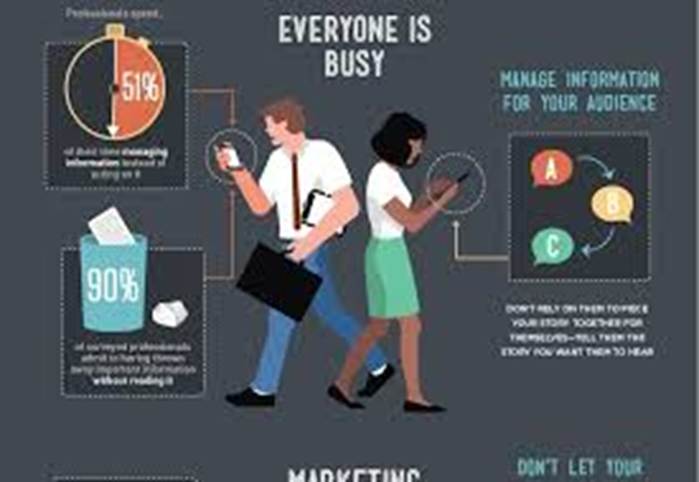
In today’s corporate environment, being busy is often mistaken for being productive. Employees fill their calendars with meetings, emails, and tasks, yet the results often fall short of expectations. Understanding the difference between busyness and productivity is crucial for achieving business goals, improving employee satisfaction, and creating sustainable growth.
1. Understanding the Difference
| Aspect | Busy | Productive |
| Focus | Doing tasks without prioritization | Working on high-impact, goal-oriented tasks |
| Outcome | Activity for activity’s sake | Achieves measurable results |
| Time Management | Frequently multitasking | Allocates time strategically |
| Stress | Often stressed or overwhelmed | Balanced and goal-focused |
| Example | Attending back-to-back meetings | Attending only essential meetings with actionable outcomes |
- Quote: “Don’t confuse activity with achievement.” – John Wooden

2. Why Being Busy Can Be Counterproductive
- False sense of accomplishment: Constant activity may feel productive but rarely drives results.
- Employee burnout: Endless tasks and distractions reduce energy, creativity, and focus.
- Misaligned priorities: Time spent on low-value work can hinder business objectives.
- Example: An employee answering every email instantly may feel busy but delays completing critical project deliverables.
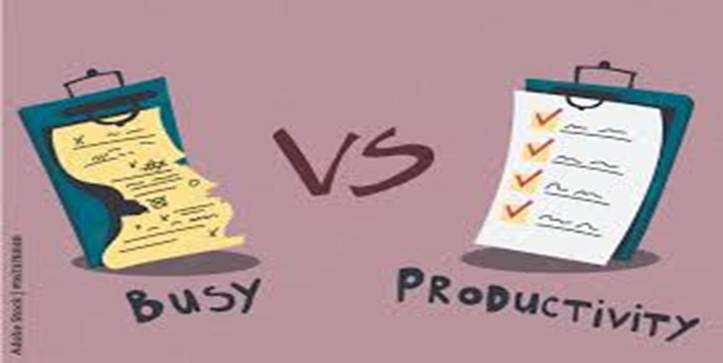
3. Characteristics of a Productive Corporate Professional
- Prioritization: Focuses on tasks that impact key business outcomes.
- Results-Oriented: Measures success through outcomes, not hours spent.
- Time Management: Uses structured schedules to allocate attention to high-priority tasks.
- Delegation: Assigns low-value or routine work to others or automates it.
- Strategic Focus: Concentrates on initiatives aligned with organizational goals.
- Example: A manager schedules only critical meetings, delegates routine tasks, and ensures deliverables align with company strategy.
4. Signs Your Team May Be Busy but Not Productive
- Constant multitasking: Employees juggle several tasks but deliver little value.
- Endless meetings: Calendar full of discussions with minimal decisions.
- Low measurable outcomes: KPIs and targets not being achieved despite activity.
- High exhaustion, low satisfaction: Team is tired but progress is unclear.

5. Strategies to Shift from Busy to Productive
| Strategy | Implementation in Corporates |
| Prioritize Tasks | Use the Eisenhower Matrix: Urgent vs Important tasks |
| Plan with Purpose | Allocate focused time blocks for high-impact projects |
| Limit Multitasking | Encourage one task at a time for deep work |
| Delegate & Automate | Assign low-priority tasks or automate repetitive processes |
| Take Breaks | Use micro-breaks to boost concentration and reduce stress |
| Review & Reflect | Weekly review of outcomes and alignment with strategic goals |
- Quote: “Efficiency is doing things right; effectiveness is doing the right things.” – Peter Drucker
6. Tools and Techniques for Corporate Productivity
- Time-Blocking: Allocates specific hours for high-priority tasks.
- Pomodoro Technique: Focused work sessions with short breaks to enhance concentration.
- Project Management Tools: Platforms like Trello, Asana, or Jira to track tasks and outcomes.
- Focus Apps: Forest, Freedom, or RescueTime to reduce distractions from emails and social media.
- Example: A marketing team blocks 2 hours for campaign planning and schedules emails in designated slots, improving campaign delivery by 30%.
7. Real-World Corporate Examples
| Scenario | Busy Behavior | Productive Behavior |
| Team Meetings | 5-hour meetings covering minor topics | 1-hour meetings with clear agenda and actionable items |
| Email Management | Constantly checking and replying immediately | Checking emails twice a day, focusing on critical ones |
| Project Execution | Handling multiple tasks simultaneously | Prioritizing 2-3 high-impact projects at a time |
| Leadership | Micromanaging daily tasks | Delegating effectively and focusing on strategy |

8. Benefits of Productivity Over Busyness
- Better ROI on time: Employees achieve more meaningful results.
- Work-life balance: Focused work reduces stress and overtime.
- Career growth: Result-oriented professionals gain recognition and promotion opportunities.
- Organizational success: Teams aligned on impactful tasks drive business growth.
- Example: A sales executive focusing on top 20% clients generates higher revenue than one chasing low-value leads.
9. Mindset Shift: From Busy to Productive
- Busy mindset: Focused on appearing active, staying occupied, and constant movement.
- Productive mindset: Focused on high-value outcomes, measurable results, and strategic alignment.
- Quote: “It is not enough to be busy; so are the ants. The question is: what are we busy about?” – Henry David Thoreau
10. Corporate Takeaways
- Busy ≠ Productive. Leaders should measure output, not activity.
- Teams should focus on high-priority tasks aligned with company goals.
- Delegation and automation are key to freeing employee bandwidth for strategic work.
- Encourage reflection and outcome-based assessment instead of time spent.
11. FAQs for Corporate Readers
Q1: How can managers differentiate between busy and productive employees?
- Focus on measurable outcomes, completion of high-priority tasks, and contribution to organizational goals.
Q2: Can busyness sometimes be necessary?
- Short bursts of activity may be required, but long-term efficiency relies on prioritization and productivity.
Q3: What tools can increase workplace productivity?
- Project management tools like Asana, Jira, Trello; focus apps like Forest; and time-tracking apps like RescueTime.
Q4: How do productive employees manage distractions?
- By allocating focused time blocks, limiting unnecessary meetings, and automating low-priority tasks.
12. Conclusion
Being busy is common in corporates, but productivity is what drives results, growth, and employee satisfaction. By focusing on high-impact tasks, delegating, and measuring results rather than hours spent, employees and leaders can achieve more with less stress.
Final Thought: “Busy is visible; productive is valuable. Make your work count for the organization and yourself.”
For more such amazing content visit : https://insightsphere.in/







Post Comment