The Hidden Game of Office Politics: When Fairness Takes a Backseat
Workplaces often showcase smiling faces, soft words, and polished manners. On the surface, everything seems smooth. But behind these facades, subtle dynamics of office politics shape careers, influence recognition, and sometimes reward the wrong behaviors.
Certain behaviors are surprisingly common across organizations:
The Pretenders – People who speak with honesty in public but act differently in private.
The Impartial Mask-Wearers – Those who project neutrality yet demonstrate bias in subtle ways.
The Hidden Pampered Ones – Employees who appear focused on work but also seek recognition or special treatment quietly.
The Lobby Creators – Individuals who form inner circles and indirectly test newcomers before fully accepting them.
The Bias-Prone – Those who may unconsciously allow personal preferences, background, or favoritism to influence decisions.
The Butter-and-Betray Artists – Colleagues who align closely with seniors for support but sometimes focus on self-interest.
The Idle Credit-Grabbers – People who take credit for others’ work while protecting themselves from accountability.
While these behaviors are not universal, they can influence workplace culture significantly if unchecked.
Work-Life Balance and Real Expectations
Some organizational practices unintentionally create stress. For example, employees may be asked to extend their responsibilities during large events, sometimes for long hours. Requests for personal leave, even for important family matters, can occasionally be challenging to approve. While policies vary across organizations, these situations highlight the importance of empathy and balance in leadership.
Revenue-Driven Approaches
Organizations naturally focus on results, targets, and profitability. Senior employees often receive recognition for achieving business goals. However, the most sustainable organizations are those that also share recognition with teams, ensuring everyone contributing to success feels valued. When credit is unevenly distributed, it can unintentionally demotivate employees despite strong performance.
The Illusion of Recognition
Many companies conduct annual surveys, aiming for awards like “Best Workplace” or “Highest Employee Satisfaction.” While these programs are intended to understand employee engagement, the effectiveness varies.
Some challenges include:
Employees feeling pressure to respond in ways that meet organizational expectations.
Department heads ensuring participation rather than authentic feedback.
Recognition and awards becoming more about optics than genuine employee sentiment.
The lesson is clear: surveys and awards are meaningful only when feedback is genuine, transparent, and acted upon.
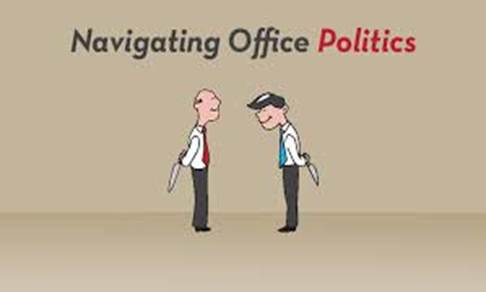
Why Office Politics Feels Common
Navigating workplace dynamics is part of professional life. Many organizations reward:
Political acumen over purely technical skills
Flattering communication over objective contribution
Short-term results without team acknowledgment
While these factors exist, it is possible to rise professionally by combining competence with integrity, collaboration, and transparent communication.
The Cost of Favoritism and Partiality
Unchecked favoritism and political behavior can impact organizations in many ways:
Talented employees may leave, seeking fairer workplaces.
Teams may disengage or underperform due to unequal recognition.
Workplace trust and morale can decline, affecting collaboration and innovation.
Organizations that focus on fairness, shared recognition, and transparent policies cultivate stronger engagement and long-term success.
Leadership That Makes a Difference
True leadership emphasizes:
Fairness: Recognizing effort and merit consistently.
Empathy: Understanding employees’ needs, challenges, and personal circumstances.
Accountability: Sharing credit and owning mistakes.
Vision: Driving results without compromising employee well-being.
Office politics is an unavoidable aspect of professional life, but it should never define success. Leadership that values trust, transparency, and fairness ensures a workplace where both people and business thrive.
Final Thought
Corporate life can reward results, influence, and negotiation skills. But organizations that combine competence with fairness, ambition with integrity, and results with empathy enjoy sustainable success. Power opens doors—but fairness and trust keep them open.
For more such amazing content visit : https://insightsphere.in/







Post Comment