Understand the language of your Plants
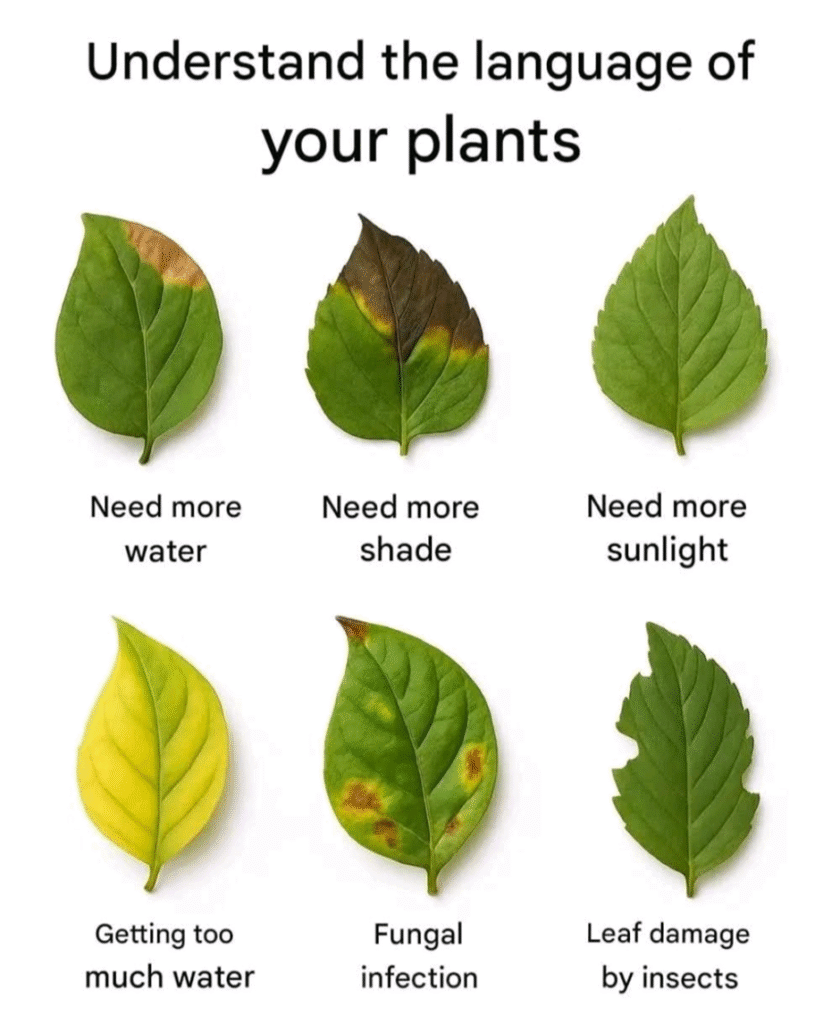
Plants may not speak in words, but they communicate constantly through their colors, shapes, and movements. Once you start noticing these signs, you’ll realize that your plants are sending you messages every single day. Learning to understand the language of your plants is the key to keeping them healthy, vibrant, and thriving.
Why the Language of Your Plants Matters
Every plant has a silent voice. When leaves droop, stems weaken, or colors fade, it’s their way of telling you something is wrong. Most gardeners think watering and sunlight are enough, but true care begins with learning this subtle language of plants. When you listen, you save your plants from stress, prevent diseases, and build a stronger bond with nature.
The Six Common Messages in the Language of Plants
1. Plants Need More Water
When your plants are thirsty, they show it through drooping or curling leaves and dry soil. This is one of the simplest signs in the language of your plants—they’re asking you for hydration. A quick water check in the morning can prevent permanent damage.
2. Plants Need More Shade
If you notice brown patches, scorched tips, or burnt edges, your plants may be saying they’ve had too much direct sun. Shade-loving plants, especially indoor ones, clearly express this part of the language of plants when their delicate leaves can’t handle harsh light.
3. Plants Need More Sunlight
The opposite is also true. If your plant’s leaves turn pale yellow, stems stretch unnaturally toward windows, or growth slows down, it is crying out for more light. This message in the language of your plants is easy to miss but crucial for healthy growth.
4. Plants Getting Too Much Water
Overwatering is just as harmful as drought. Yellow leaves, soggy soil, and weak stems are common complaints plants make when drowning. This subtle yet dangerous message in the language of your plants often goes unnoticed until roots begin to rot.
5. Plants Facing Fungal Infection
White powder, black spots, or mold on soil are warning signs. Fungal infections are plants’ way of saying they need cleaner surroundings, better airflow, or treatment. Decoding this part of the language of your plants ensures that infections do not spread to healthy leaves.
6. Leaf Damage by Insects
Tiny holes, chewed edges, or sticky honeydew on leaves are clear insect messages. This part of the language of your plants says, “I need protection.” A close inspection often reveals hidden pests on the undersides of leaves, and timely care saves the plant from serious damage.
Beyond Science – The Emotional Language of Plants
Science proves that plants respond to light, water, and nutrients. But many gardeners also believe plants feel energy. Talking to your plants, playing soft music, or even touching them gently has been shown to encourage growth. This emotional side of the language of your plants is often ignored, but it’s what makes the bond between humans and plants truly magical.
How to Master the Language of Your Plants
- Observe your plants daily instead of occasionally.
- Touch the soil to check moisture instead of guessing.
- Notice leaf color, shape, and direction of growth.
- Watch for early signs of pests or fungus.
- Move plants between sun and shade based on their signals.
With time, the language of your plants becomes second nature—like a conversation without words.
Final Thought
Your plants are always speaking; the question is whether you are listening. By learning the language of your plants, you become not just a gardener but a caretaker who responds to every silent message. In return, your plants reward you with beauty, freshness, and life.







Post Comment