Why People Procrastinate: A Funny, Painful, and All-Too-Relatable Human Habit
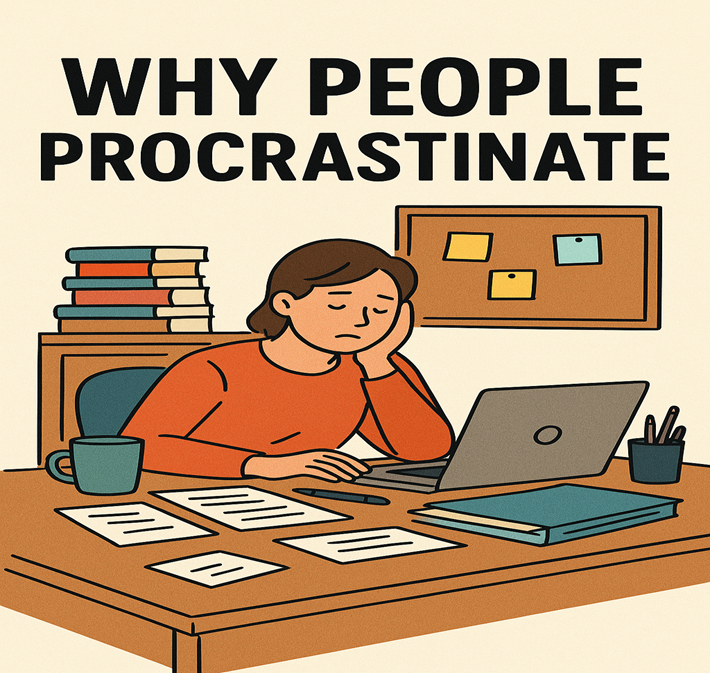
Ever found yourself staring at an unfinished task, scrolling endlessly on your phone, reorganizing your desk for the third time, and whispering, “I’ll start in five minutes”? Don’t worry—you’re not alone. The truth is, why people procrastinate is one of the most universal mysteries of human behaviour. It’s not laziness. It’s habit, fear, comfort, and sometimes sheer absurdity.
Procrastination is funny if you watch it unfold in real life, but it can also be painfully relatable. Understanding why people procrastinate isn’t just an intellectual exercise—it’s a glimpse into how the human mind works, why it avoids discomfort, and why it often prioritizes short-term pleasure over long-term gain. After all, “tomorrow is the busiest day in everyone’s calendar.”
The Emotional and Mental Roots of Delay
One of the main reasons why people procrastinate is fear. Fear of failure, fear of judgment, and even fear of success can all freeze action. Imagine having an important presentation due tomorrow. Your mind knows you can do it—but the thought of imperfection paralyzes you. Suddenly, cleaning your bookshelf or checking social media seems more urgent than actually preparing.
Overwhelm is another culprit. Big tasks often feel insurmountable, causing mental paralysis. And perfectionism? It’s a sneaky partner in procrastination. Many of us delay starting because we insist the timing, conditions, or preparation must be perfect. “Perfectionism is procrastination in a fancy hat.” Understanding these emotional triggers is key to seeing why people procrastinate.
Everyday Comedy: Real-Life Procrastination in Action
Sometimes, procrastination is hilarious—and painfully relatable:
- The Desk Organizer: A report is due tomorrow, but suddenly, your pens must be color-coded, your folders alphabetized, and your drawers perfectly arranged. Hours vanish, and the report remains untouched. This is a classic example of why people procrastinate.
- Netflix Spiral: “Just one episode” somehow becomes a four-season binge, with snack crumbs forming a small ecosystem on the couch. “Just one episode… becomes a four-season commitment to denial.” Another reason why people procrastinate.
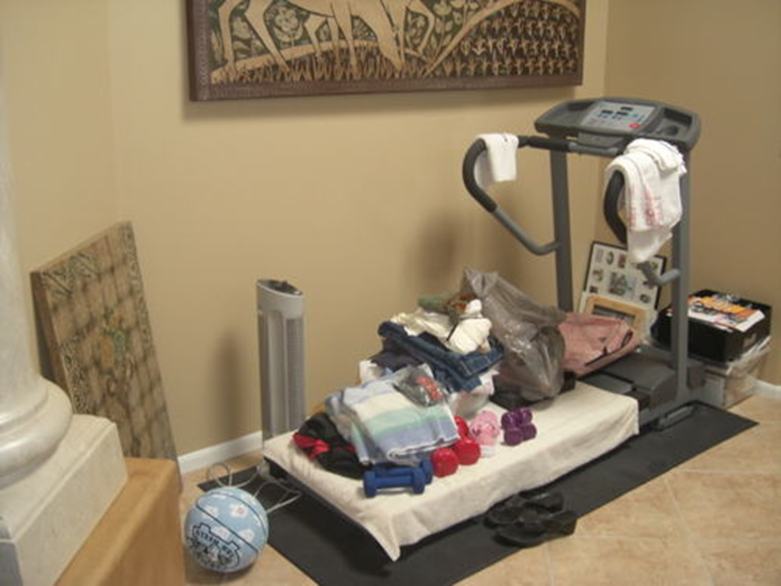
- The Gym Fiasco: Memberships bought in January become storage racks by March. The treadmill doubles as a clothes hanger. “The treadmill doubles as a clothes rack, and suddenly cardio seems optional.” Proof of why people procrastinate.
- Email Abyss: Hundreds of unread emails get ignored while you research productivity hacks, reorganize your desktop, and buy unnecessary gadgets online. Classic procrastination at work.
- The Eternal Tomorrow Trap: Taxes, appointments, and personal goals all become “tomorrow’s problem.” “Procrastinators unite… tomorrow.”
These small, absurd moments reveal a deeper truth: procrastination is human—and hilariously so.

The Rollercoaster of Delay
Procrastination isn’t just about doing nothing—it comes with a full range of emotions: bliss, guilt, panic, adrenaline, and regret.
- Bliss: “I’ll just take a 5-minute break.” Hours later, you’ve reorganized your entire living space. “The five-minute break that secretly consumes your entire afternoon.”
- Guilt: “Maybe I should start now?” You open the document, close it, and stare blankly.
- Panic: Deadline looms, heart races, caffeine intake spikes.
- Adrenaline: Midnight strikes. You type at lightning speed. Miracles happen.
- Regret: Task completed. Sleep sacrificed. Emotional energy? Optional. “Why do today what you can perfectly panic over at midnight?”
This emotional rollercoaster explains why people procrastinate in a way that lectures never can.
Patterns of Procrastination Everyone Recognizes
If you look closely, procrastination follows predictable patterns:
- Overwhelm: Big tasks are frozen by the mind.
- Perfectionism: Waiting for ideal conditions instead of starting now.
- Decision Fatigue: Too many options lead to indecision.
- Immediate Gratification: Short-term pleasure always beats long-term benefits. “Procrastination: because your brain loves short-term joy more than long-term sense.”
- Avoidance of Accountability: Tasks exposing you to judgment are delayed.
These patterns repeat across work, school, and life, explaining why people procrastinate in so many areas—from deadlines to fitness goals to personal projects.
Turning Procrastination Into Action
While procrastination is universal, it’s not invincible. There are ways to work with it:
- Micro-Tasks: Break big tasks into tiny steps. The mountain becomes manageable hills.
- Time-Boxing: Short, focused work intervals make starting easier.
- Accountability: Sharing goals with someone increases follow-through.
- Rewards: Celebrate small victories to build momentum.
- Mindset Shift: Replace “I need to be perfect” with “I’ll start and improve consistently.” “Blame it on your comfort zone—it’s sneakily controlling your life.”
The key is awareness: knowing why people procrastinate allows you to design strategies around it, turning delay into momentum rather than a roadblock.
Why Procrastination Isn’t Always Bad
Surprisingly, procrastination sometimes helps. It can allow your subconscious to problem-solve, prioritize, or generate creative ideas. Many “eureka” moments come in the final hours before action. Of course, chronic procrastination has consequences, but occasional delay is often harmless—and even useful. Understanding this subtlety adds depth to why people procrastinate.
Conclusion: Laugh, Learn, and Move Forward
So, why people procrastinate? Fear, perfectionism, comfort-seeking, habit, and emotional avoidance all play a role. It’s universal, funny, frustrating, and deeply human. From delaying work to binge-watching shows, procrastination touches every life.
The difference lies in awareness. Recognizing why people procrastinate allows you to take small, actionable steps—breaking the cycle without self-criticism. Procrastination is not a flaw; it’s a mirror showing where your comfort, fear, and habits intersect. Laugh at it, learn from it, and act despite it.
Because if there’s one truth about procrastination, it’s this: we all do it. “Procrastination isn’t laziness—it’s just your mind’s way of taking a coffee break… forever.”
For more such amazing content visit : https://insightsphere.in/






Post Comment