PM Modi unveils 77-foot Statue of Lord Ram in Goa: A Cultural Milestone
Introduction: A Momentous Occasion in Goa
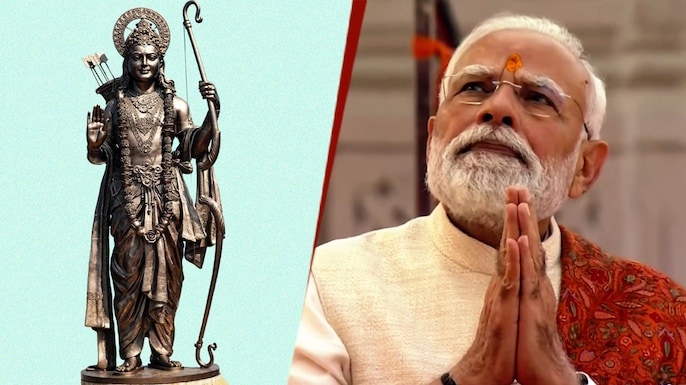
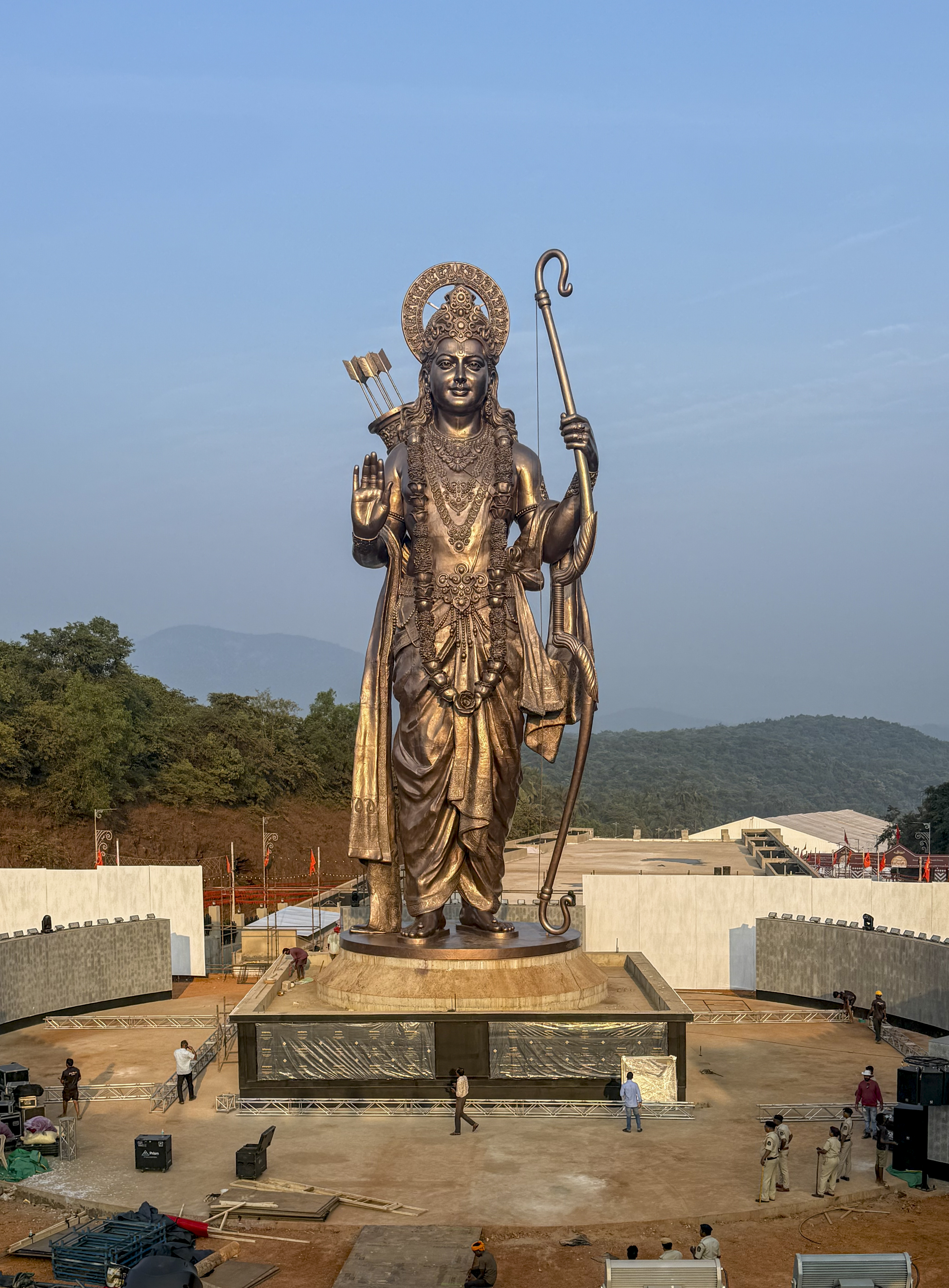
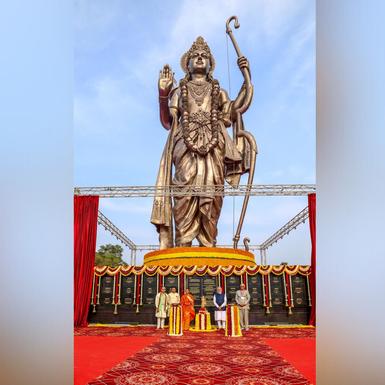
On 28 November 2025, at the tranquil environs of Shree Samsthan Gokarn Partagali Jeevottam Math in Partagali (South Goa), Indian Prime Minister Narendra Modi unveiled a monumental 77-foot bronze statue of Lord Ram. The statue, described as the tallest representation of the deity in the world, stands as a symbol of devotion, culture, and heritage.
The event was held as part of the 550th-year celebrations of the Math — a milestone anniversary known as the Saardha Pancha Shatamanotsava. Alongside the statue unveiling, a new Ramayana Theme Park was inaugurated, adding a contemporary dimension to the age-old spiritual legacy of the region.
This blog explores the significance of this event — historically, spiritually, socially, and culturally — and considers what this grand gesture could mean for Goa, for devotees, and for India’s collective identity.
2. The Math & Its Legacy: Why This Location Matters
2.1 Historical Roots of the Math
- The Partagali Math was established centuries ago (the lineage traces back to 1475 CE), and over time it has become a revered spiritual institution for the Gowd Saraswat Brahmin community.
- Over its 550-year existence, it has endured several upheavals — changing eras, societal shifts, and historical challenges — yet has remained a guiding spiritual and cultural center.
2.2 Significance of the 550-Year Celebration
- The current celebrations (Nov 27 — Dec 7) mark the 550th anniversary of the Math’s founding. This commemorative event, the Saardha Pancha Shatamanotsava, is a rare chance to reflect on centuries-old traditions and plan for the future.
- According to organizers, during this festival week the Math expects a footfall of 7,000–10,000 devotees per day.
- For the occasion, the Math’s campus underwent renovation for better infrastructure — ensuring that modern amenities complement the sacred atmosphere.
Hence, the choice of this historic and spiritually significant Math for the unveiling makes it more than just a physical installation — it’s a tribute to continuity, devotion, and community identity.
3. The Statue: Grandeur, Craft, and Symbolism
3.1 The Tallest Lord Ram Statue in the World
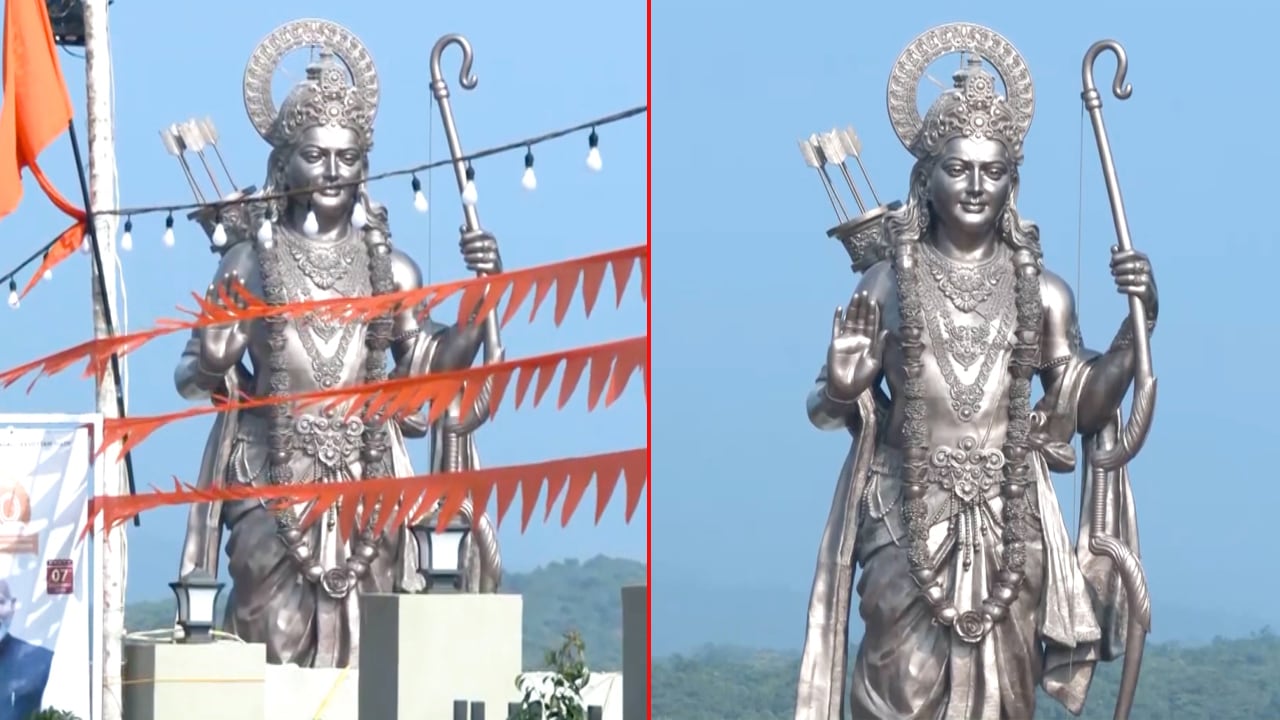
The statue stands 77 feet tall and is made of bronze. Crafted by the renowned sculptor Ram Sutar — the same artist behind the famous Statue of Unity — this statue is being hailed officially as the tallest statue of Lord Ram globally.
With its height and craftsmanship, the statue is meant not just to impress visually but to evoke a sense of reverence and spiritual upliftment. For many devotees and visitors, its silhouette against the Goan sky signals a new era of cultural revival.
3.2 Artistic & Spiritual Aspects
- Artistic craftsmanship: Bronze statues at this scale require meticulous design, casting, and installation — a feat managed by an acclaimed sculptor like Ram Sutar.
- Spiritual resonance: The figure of Lord Ram is central to Hindu dharma and cultural heritage. Erecting such a statue reinforces faith, tradition, and collective memory, especially in a place with deep historical roots like Partagali.
- Symbolic visibility: A 77-foot statue is visible from afar. It acts as a beacon — visible to locals, travellers, and pilgrims alike — reinforcing the Math’s presence and significance in the landscape.

In essence, the statue is as much a spiritual emblem as a cultural landmark.
4. PM Modi’s Vision: Cultural Renaissance & National Identity
During the unveiling ceremony, PM Modi emphasized that India is witnessing a “cultural reawakening” — a revival of spiritual heritage that reinforces national pride and identity.
He linked this event to a broader narrative: the restoration of significant religious and cultural sites across India — from the redevelopment of temples to the rejuvenation of historic heritage centres.
He urged the attendees and citizens to uphold unity and cultural consciousness, warning that societal unity is the pathway to a “Viksit Bharat” (developed India).
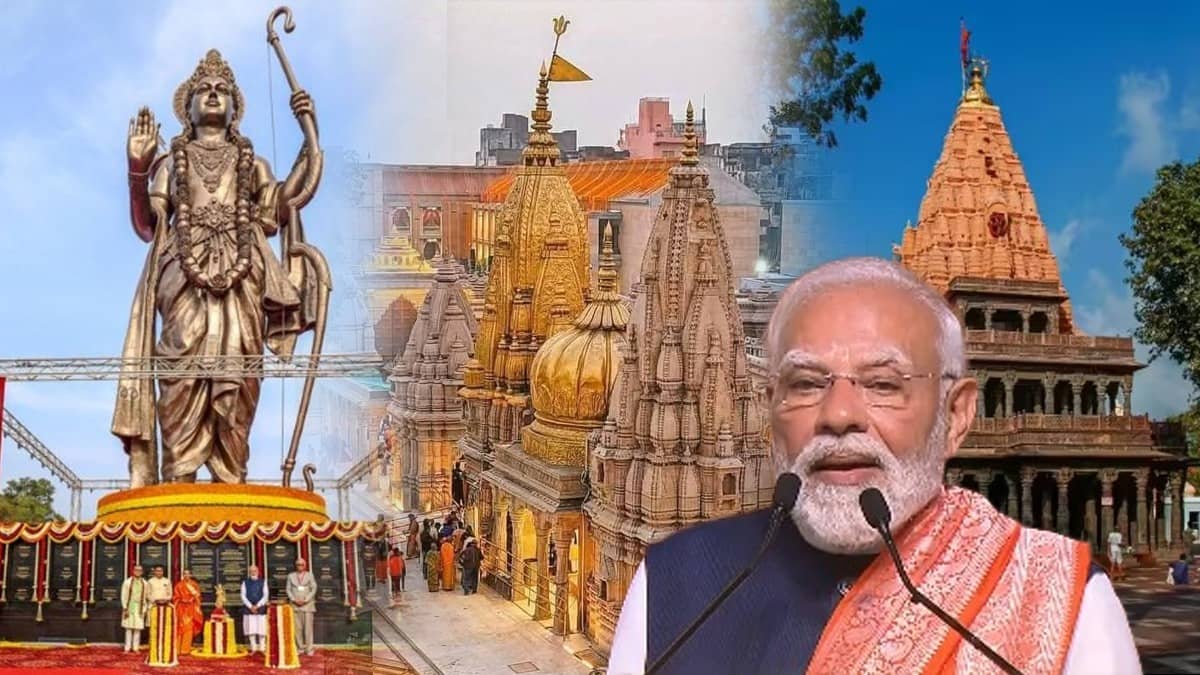
Beyond symbolism, PM Modi also presented nine societal appeals during the event: conserving water, planting more trees, promoting cleanliness, adopting Swadeshi products, embracing natural farming, encouraging yoga and healthy living, helping the underprivileged — framing this spirit of heritage within a broader vision for national development.
Thus, the event was positioned not merely as a religious function, but as a statement of India’s path forward — blending tradition with modern aspirations for growth, unity, and heritage preservation.
5. Ramayana Theme Park: Merging Faith with Education & Tourism
Along with the statue, the inauguration of a new Ramayana Theme Park at the Math premises adds a modern and educational dimension to the celebrations.
5.1 What the Theme Park Represents
- A place for devotees, pilgrims, and tourists to engage with the epic tales of the Ramayana in immersive ways — possibly through installations, art, informative displays, and cultural programmes.
- An opportunity to blend religious reverence with cultural education — especially appealing to younger generations, tourists, and those curious about India’s mythological heritage.
- A boost to spiritual tourism in Goa — potentially turning the Math into a destination not just for local devotees, but for national and international visitors seeking cultural immersion.

5.2 Impact on Goa’s Tourism & Local Communities
Goa, traditionally known for beaches and nightlife, may now also be recognised as a hub for heritage tourism. This could help diversify the state’s tourism portfolio and bring economic opportunities to local communities — in hospitality, guiding, transport, and artisanal crafts.
For the local populace, the Math’s upgraded campus, increased pilgrim footfall, and associated infrastructure improvements could mean better facilities, employment, and broader recognition of their cultural legacy.
In short, the Ramayana Theme Park, together with the statue, anchors the Math’s relevance for the 21st century — marrying tradition with contemporary sensibilities of education, tourism, and cultural pride.
6. Broader Significance: What This Means for India
6.1 Revival of Spiritual Heritage
- In recent years, India has seen renewed attention to restoring and reviving religious and heritage sites. The Partagali event adds to this momentum — beyond physical restoration, it embodies a resurgence of collective memory, identity, and pride.
- For younger generations, such landmarks make cultural heritage tangible. Rather than abstract stories, places like the Partagali Math — with its towering statue and theme park — become living reminders of tradition.
6.2 Cultural Tourism & Economic Opportunity
- As the world increasingly values cultural tourism, heritage sites gain relevance not just for religious reasons but for global tourism interest. This event could position Goa — and specifically Partagali — as a heritage-tourism destination alongside its beaches.
- Local economies could benefit. Placements, hospitality, transport, local guides, handicrafts, religious paraphernalia — all could see revitalisation as pilgrim and tourist inflows grow.
6.3 National Unity and Soft Power
- The message at the unveiling — that unity and cultural pride underpin national progress — resonates beyond Goa. In a diverse country like India, such events can strengthen a shared sense of belonging.
- On the global stage, showcasing cultural heritage — like the tallest statue of Lord Ram — becomes part of soft diplomacy. It reflects India’s civilizational depth, its living traditions, and the respect for mythological and spiritual roots.
Thus, this is more than a statue — it’s a message: that modern India can embrace progress while honouring its heritage, weaving spirituality, culture, and development into a unified vision.
7. Potential Criticisms & Balanced Perspectives
While there is much to celebrate, large-scale initiatives like this can invite scrutiny. A balanced discussion helps in presenting a nuanced narrative.
7.1 Use of Resources: Statue vs. Social Infrastructure
Critics may argue that funds and attention directed at building statues or theme parks could have gone into social welfare — education, healthcare, environmental conservation, or other grassroots development. It’s a valid viewpoint when India faces multiple socio-economic challenges.
7.2 Cultural Pluralism and Local Sensitivities
Goa, with its diverse cultural history and multiple religious communities, has a unique social fabric. Some may question if such prominent Hindu-centric installations affect the pluralistic ethos of the region. The importance lies in ensuring inclusivity, respect for all communities, and maintaining cultural harmony.
7.3 Sustainability & Long-Term Maintenance
Creating such monuments and theme parks is one thing; sustaining them for decades is another. Proper maintenance, environmental planning, visitor management, and responsible tourism are essential to prevent neglect, overcrowding, or environmental degradation.
Hence, while embracing the cultural significance, it is equally important to be mindful of practical concerns and the larger ecosystem.
8. What Lies Ahead: Opportunities & Expectations
8.1 Pilgrimage & Tourism Surge — Infrastructure Demand
As the Math and the new installations attract visitors, there will be increased demand for amenities: lodging, transport, local guides, eateries, and local handicrafts. This can transform Partagali into a vibrant pilgrimage-tourism hub.
8.2 Cultural Education & Youth Engagement
Schools, colleges, youth groups — both within Goa and across India — may plan visits, educational trips, spiritual retreats. The Ramayana Theme Park offers scope for experiential learning about mythological heritage, Indian values, and history.
8.3 Preservation & Expansion of Heritage
Given the renewed interest, there’s potential for further development: maybe more temples, libraries, cultural centres, archival projects, exhibitions. The Math’s legacy could find new expression in contemporary forms — blending spirituality with arts, education, and community service.
For the nation, events like this could inspire similar initiatives elsewhere — sparking a wave of cultural preservation, spiritual tourism, and heritage pride.
9. Conclusion: A New Chapter for Partagali — and India

The unveiling of the 77-foot bronze statue of Lord Ram by PM Modi at Partagali Math is more than a ceremonial gesture. It symbolizes a revival — of faith, heritage, identity, and cultural pride. It reflects a larger narrative: that India’s past, present, and future can coexist; that spiritual legacy can be honoured side-by-side with modern development; and that unity and cultural roots can anchor national progress.
For devotees, travellers, history enthusiasts, and patriots alike, this event invites deeper reflection — on roots, responsibility, and revival. As the statue stands tall, so does the hope that future generations remember, respect, and celebrate the rich tapestry of India’s cultural heritage.
For More Such Amazing Content Please Visit : https://insightsphere.in/





Post Comment