Rishikesh Bungee Accident: When the Rope Snaps — What Happened, Why, and What Must Change
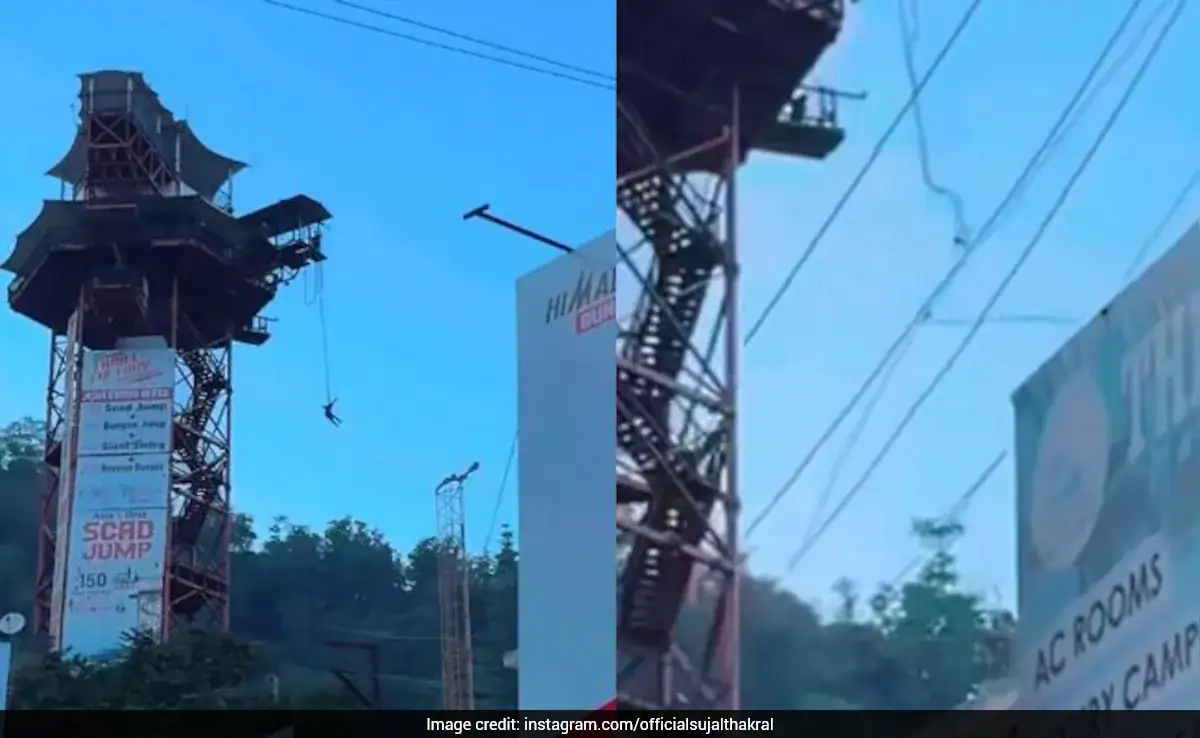
In a single terrifying moment, a routine adrenaline-rush turned into a life-threatening fall. This is the in-depth story of the Rishikesh bungee accident, its fallout, and the urgent lessons adventure tourism in India cannot ignore.
The Incident: How It Unfolded
What Happened — The Day of the Accident
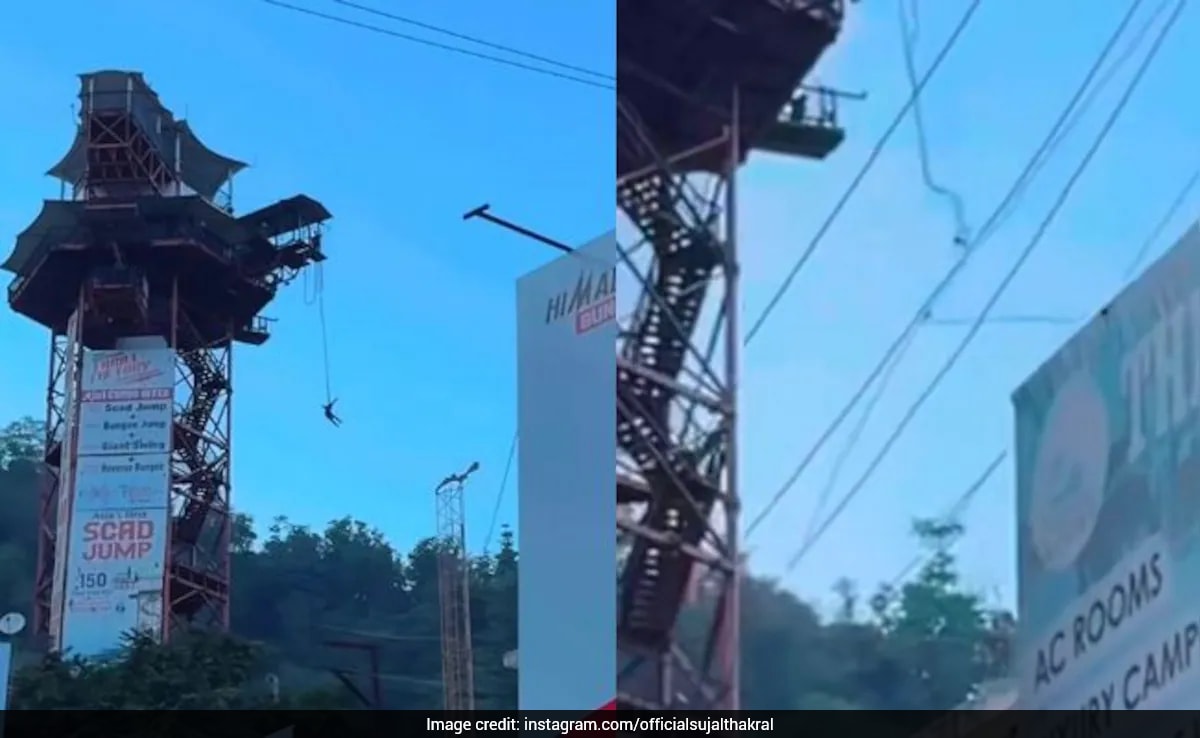
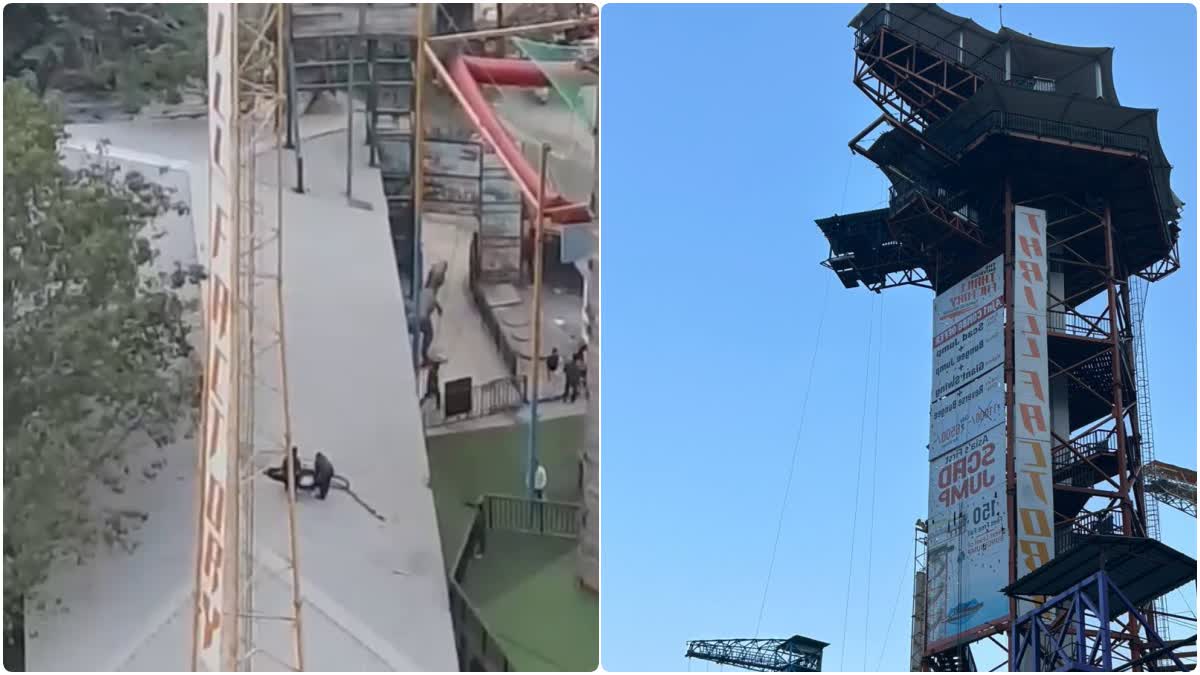
On November 12, 2025, at approximately 4:37 PM, a 24-year-old man from Gurugram named Sonu Kumar jumped off the bungee platform at the Thrill Factory Adventure Park, located in the Shivpuri area near Rishikesh. According to eyewitnesses and video footage, the bungee cord was initially attached correctly as he leapt off the platform.
However, as Sonu descended, the cord snapped mid-air — a horrifying failure that sent him plummeting uncontrolled. Reports suggest he fell around 35 meters (roughly 180 feet) and crashed onto the tin-roof of a shed immediately below.
First Response & Medical Evacuation
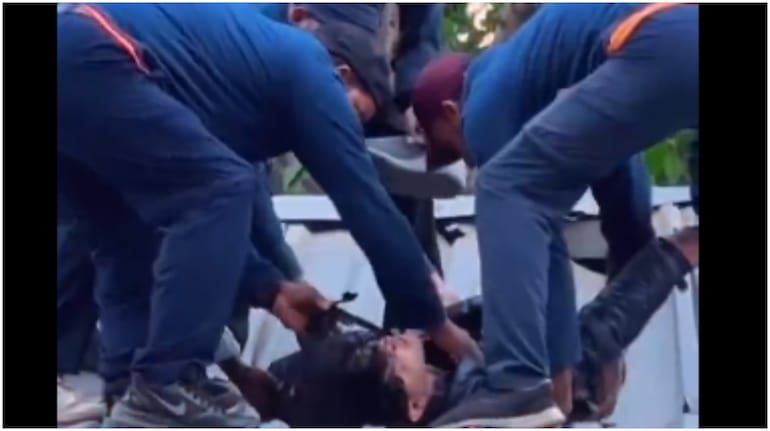
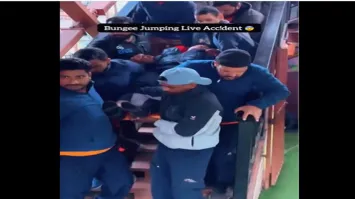
After the fall, bystanders scrambled to help. According to witnesses, there was no ambulance or qualified medical team immediately on site. One content creator, Sujal Thakral, whose video went viral, claimed that he and others had to transport the injured man themselves to AIIMS Rishikesh.
At the hospital, Sonu was treated for severe chest injuries and a fracture in his left arm. According to the Indian Express, district authorities later confirmed his condition was serious but that he had responded to medical care.
Who Is the Victim & Their Condition
Identity and Background
The man has been identified as Sonu Kumar, a 24-year-old BA student from Gurugram (Gurgaon) in Haryana. Several news outlets confirm his age, residence, and that he was visiting Rishikesh for adventure activities.
Injuries & Hospital Updates
- Chest injuries: Authorities state he sustained significant trauma to his chest.
- Left arm fracture: Multiple sources mention a fracture.
- Critical condition, but stable later: Initial reports described him as critical, but follow-up indicates he is responding to treatment.
- No FIR filed (yet): Interestingly, police said no formal complaint had been filed by his family, which has delayed FIR registration.
Viral Footage, Eyewitnesses & Public Reaction
The Video That Sparked Outrage

A bystander video, shared widely on social media, captured the exact moment when the bungee cord snapped, followed by the fall and the victim lying injured on a tin roof, as the broken cord dangles above. Content creator Sujal Thakral posted the video on Instagram, triggering a firestorm of reactions about operator negligence.
Eyewitness Allegations
According to bystanders:
- Safety procedures were allegedly not strictly followed.
- There was no on-site emergency medical team or ambulance.
- Some said that even though they signed safety-declaration forms, the mechanism for accountability was weak.
Social Media & Public Outcry
Public responses ranged from anger to fear:
- Many on Instagram and X (formerly Twitter) criticized the operator’s safety protocols.
- Commenters on social media questioned how an operator could run such a high-risk activity without proper medical readiness.
- There’s been a broader call for strict regulatory oversight of adventure sports.
Official Response & Investigation
Local Authorities Take Action
- Tehri Garhwal District Magistrate, Nikita Khandelwal, ordered an immediate suspension of all adventure activities at the Thrill Factory site.
- A technical inquiry has been launched to inspect the equipment used (cords, harnesses, anchors) and check for potential negligence.
- A safety audit of all adventure sport operators in the region has been initiated, to prevent future accidents.
Operator’s Status & Compliance Checks
Police from the Muni Ki Reti station confirmed they will conduct a technical inspection to assess:
- Whether the operator complied with existing safety norms.
- The condition of equipment like bungee cords, harnesses and attachment systems.
- Staff training and daily maintenance/inspection logs.
Legal Complications
- No FIR yet: As of now, because no formal complaint has been lodged by the victim or his family, no FIR has been filed.
- Authorities have said that once Sonu’s medical condition allows, they will record his testimony.
- There are increasing calls from netizens and safety advocates for criminal negligence charges, or at least regulatory sanctions, against the operator.
Technical Analysis: Why Might the Bungee Rope Have Snapped?
To understand what might have caused this horrifying failure, we need to look into how bungee systems are designed — and where they can break down.
Common Failure Modes in Bungee Jumping

- Material fatigue: Bungee cords degrade over repeated use due to UV exposure, microscopic stresses, or environmental wear.
- Improper rigging or outdated hardware: If connectors (like carabiners or shackles) are not replaced or checked, they could fail.
- Wrong load rating: If the cord or gear was not matched to the jumper’s weight or the force generated, the system may be overstressed.
- Human error: Mistakes in harness attachment or checks before the jump can lead to catastrophic failure.
- Counterfeit or uncertified equipment: Using cheap or untested parts can dramatically increase risk.
- Lack of redundancy: In best practices, there should be a backup line or secondary attachment — if that is missing, a single failure is fatal.
Hypotheses in This Case
While the investigation is ongoing, given the reports and what is visible in the video, possible scenarios include:
- The cord itself may have failed (material break).
- The attachment point or connector may have opened or unlatched.
- There may have been only a single point of failure, i.e., no redundant safety line.
- The system may not have been load-tested recently or may lack proper maintenance records.
What Investigators Will Likely Check
- Maintenance logs (how often the elastic cord is replaced)
- Certification of the gear (cord, harness, connectors)
- Inspection and training records for staff
- Load test records (how often they test the bungee system under weight)
- Emergency response readiness (medic, ambulance, first-aid)
- Video footage (CCTV or mobile) to reconstruct rigging, jump, and fall
Safety Protocols That Must Be Enforced
This incident is a wake-up call. Here’s a detailed breakdown of safety protocols that every commercial bungee operator should follow — and what regulators should mandate.
Equipment & Technical Safety Standards
- Certified elastic cords: Only use cords tested by a recognized standard body; replace them on a strict schedule.
- Redundant rigging: Use dual attachment points — primary + safety back-up.
- Certified connectors: Carabiners, shackles, and harnesses must be pre-rated for shock load and replaced periodically.
- Daily checks: A rigorous daily inspection regime with checklists, including visual inspections and test loads.
- Record-keeping: Maintain digital logs of each jump, including cord serial numbers, jumper weight, date, rigging details, and test loads.
Operational Safety & Human Factors
- Trained riggers & supervisors: All staff operating the jump must be certified and re-trained regularly in safe rigging, harnessing, and emergency response.
- Pre-jump checklist for participants: Weight measurement, health check, harness fitting, and clearly explained safety briefing.
- Emergency medical readiness: Onsite ambulance (or rapid access to one), CPR-trained personnel, first-aid + trauma kit.
- Incident reporting: Mechanism for immediate reporting, capturing CCTV/mobile video, and structured incident logs.
- Redundant safety lines / backup systems: For jumpers, a secondary line or safety harness improves survivability drastically.
Regulatory & Audit Measures
- Third-party yearly audit: Operators should be required to pass independent technical audits annually.
- Operating license tied to safety compliance: Authorities should renew adventure sport licenses only if safety audits are up to date.
- Mandatory public reporting: Operators should publicly display their last safety audit certificate.
- Insurance requirements: Operators must carry third-party liability insurance and have a valid claim mechanism.
- Regulator training: Local tourism authorities should have dedicated safety experts who monitor and inspect adventure sports operations.
Legal and Regulatory Analysis: What This Accident Exposes
Fragmented Oversight in Indian Adventure Tourism
India lacks a unified national regulatory body for adventure tourism. Oversight is fragmented:
- Local authorities grant permits,
- Tourism departments promote adventure travel,
- Safety inspections may be inconsistent or under-resourced.
This fragmentation can lead to gaps in enforcement. As seen in this incident, even high-risk operations like bungee jumping might not be subject to stringent, regular inspections.
Accountability & Liability
- No FIR yet: The absence of a formal complaint from the victim’s side has limited immediate legal repercussions.
- Civil liability: Even if criminal liability is delayed, the operator may face civil suits for negligence, once the victim recovers enough to file.
- Public pressure matters: In this case, the viral video sparked outrage, pushing authorities to act. But relying on public outrage is not a substitute for systematic safety protocols.
Needed Policy Reforms
- National safety standards: A central regulatory framework that defines safety norms for adventure operators (bungee, zipline, swing, etc.).
- Compliance certification: Operators should obtain a “safety-compliant” certificate from an accredited body before being allowed to operate.
- Mandatory incident reporting: Every accident or near-miss must be reported to a central authority, to track risk.
- Whistleblower mechanism: Staff and visitors should be able to report safety violations anonymously.
- Training & certification of staff: Compulsory certification for riggers, operational staff, and emergency responders.
The Impact on Rishikesh’s Adventure Tourism Sector
Short-Term Fallout
- Suspension of operations: The district magistrate has already ordered a suspension of Thrill Factory’s bungee operations pending investigation.
- Safety audit for all operators: Authorities plan to audit all adventure sport providers in the region.
- Negative media attention: Local and national media are reporting aggressively, which may discourage tourists or make them more cautious.
Reputational Damage
- Rishikesh, often called an adventure hub (rafting, zip-lining, bungee), may face a decline in trust among thrill-seekers.
- Domestic tourists might demand proof of safety compliance, reducing “impulse bookings” for adventure sports.
- Operators who proactively adopt higher safety standards and publish third-party audit reports could gain a competitive edge by reassuring safety-aware tourists.
Long-Term Opportunities
- Safety-first branding: Adventure parks can use strong safety credentials as a USP, attracting discerning customers.
- Regulatory overhaul: This incident could accelerate policy reform in Uttarakhand and beyond, leading to more robust safety regimes.
- Insurance innovation: The demand for adventure-insurance products may rise — both for operators and participants.
- Visitor education: Tours, blog posts, and booking platforms may begin to emphasize safety checklists — helping tourists make more informed choices.
What Adventurers Should Do: Pre-Jump Safety Checklist
For anyone planning a bungee jump (or any high-risk adventure activity), here is a must-follow checklist:
- Ask for safety certification
- Request to see the operator’s last safety audit.
- Confirm the gear (cord, harness) is certified and up-to-date.
- Verify redundancy
- Make sure there’s a backup line.
- Check visually, if possible, that all attachments look secure.
- Understand the pre-jump process
- Does the operator weigh you?
- Do they fit the harness carefully?
- Do they run a checklist every time?
- Check for emergency readiness
- Is there a medic or ambulance on site?
- Has the staff briefed you on what happens in a fall or failure?
- Record the jump
- Ask for video / photo — but also observe rigging before your turn.
- Use your phone to film, if allowed, so you can later check how things were set up.
- Read & sign the waiver carefully
- Understand what the waiver says and what risk you’re accepting.
- Check whether the operator has third-party insurance.
- Trust your instincts
- If anything feels rushed or unsafe — walk away.
- A few minutes of hesitation are worth your life.
Lessons & Broader Implications: Beyond One Accident
What happened in Rishikesh is not just a single tragic incident — it’s a red flag for adventure tourism safety in India.
Engineering & Operational Lessons
- Elastic / dynamic safety elements (like bungee cords) must be rigorously tested and replaced.
- Adventure operators must build redundancy into every system — not a “one-line” approach.
- Continuous training, both for rigging staff and jump supervisors, is critical.
Policy & Governance Lessons
- There’s a clear need for standardised national guidelines for high-risk adventure activities.
- Safety audits should be compulsory and done by accredited third parties.
- Incident reporting should be mandatory, and data shared publicly to improve safety across the industry.
Public Awareness Lessons
- Tourists must demand transparency: ask about gear, audits, protocols.
- Travel platforms (OTAs, adventure-booking sites) should require safety certification before listing operators.
- Media coverage of accidents should push for structural reform, not just sensational headlines.
Conclusion: A Call to Action
The Rishikesh bungee accident is a stark reminder that adventure tourism, while exhilarating, is not free of risk — especially when safety protocols fail or are not enforced. The fall of Sonu Kumar, from a terrifying 35-meter drop, should not be dismissed as a freak incident. It should serve as a catalyst for change.
If regulators, operators, and the public collectively push for higher safety standards — through audits, transparency, and accountability — future thrill-seekers may be able to experience the rush of a bungee jump without fearing for their lives. India’s adventure tourism sector has immense potential, but only a robust safety culture can sustain that potential.
For More Such Amazing Content Please Visit : https://insightsphere.in/







Post Comment