Can Sugary Drinks Raise Oral Cancer Risk in Non-Smokers?
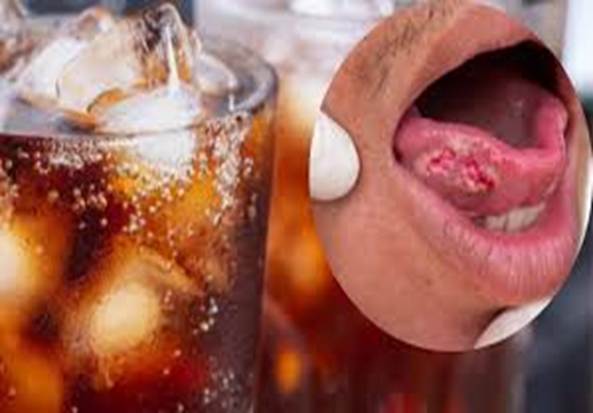
Can sugary drinks like soda, energy drinks, and packaged juices increase oral cancer risk even in non-smokers? Explore the science, hidden dangers, and preventive lifestyle tips.
When we think of oral cancer, two main culprits immediately come to mind: smoking and chewing tobacco. For decades, these habits have been considered the leading causes of cancers affecting the mouth, lips, tongue, gums, and throat. But here’s a critical question—what about people who don’t smoke or don’t use tobacco? Are they completely safe?
Emerging research suggests that the answer is no. Dietary choices, especially the regular consumption of sugary drinks, may be creating a silent yet significant risk. From sodas and energy drinks to fruit juices and packaged beverages, these sugar-loaded products may play a much bigger role in oral cancer risk among non-smokers than previously believed.
What Exactly Is Oral Cancer?
Oral cancer refers to malignant tumors that develop in any part of the mouth or throat, including:
- Tongue
- Lips
- Gums
- Inner cheeks
- Roof (palate) or floor of the mouth
According to the World Health Organization (WHO), more than 377,000 new cases of oral cancer are diagnosed globally each year.
Traditional risk factors include:
- Tobacco use
- Alcohol abuse
- HPV (Human Papillomavirus) infection
- Poor oral hygiene
- Chronic irritation from dentures or sharp teeth
But newer studies indicate that high sugar intake and obesity could also be important contributors.
Sugary Drinks: More Than Just Sweetness
A 12-ounce can of soda typically contains:
- 35–40 grams of sugar (about 9–10 teaspoons)
- Artificial colorants and preservatives
- Acids such as phosphoric and citric acid
- Caffeine and chemical additives
Sugary drinks have long been linked to obesity, type 2 diabetes, and heart disease. Now, researchers are also examining their potential connection to oral cancer, particularly in people who have never smoked.
How Sugary Drinks May Increase Oral Cancer Risk
1. Chronic Inflammation
Sugar promotes bacterial growth in the mouth, leading to gum diseases such as gingivitis and periodontitis. Long-term inflammation is a well-known trigger for cancer development.
2. Obesity and Hormonal Imbalances
Excessive consumption of sugary drinks is a leading driver of obesity. Obesity raises cancer risk by:
- Increasing insulin and IGF-1 (growth factors that stimulate abnormal cell growth)
- Creating hormonal imbalances
- Weakening immune defenses against pre-cancerous changes
3. Damage from Acids and Additives
The acids in sodas erode enamel and irritate oral tissues. Over time, chronic irritation can contribute to mutations. Certain preservatives and artificial colors also generate free radicals, which damage DNA.
4. Sugar as Fuel for Cancer Cells
Cancer cells thrive on glucose. A high-sugar diet ensures a steady supply of fuel for abnormal cell growth.
5. Lowered Immunity and HPV Risk
High sugar intake weakens the immune system, which can make the body more vulnerable to HPV-related oral cancers, particularly in young, non-smoking populations.
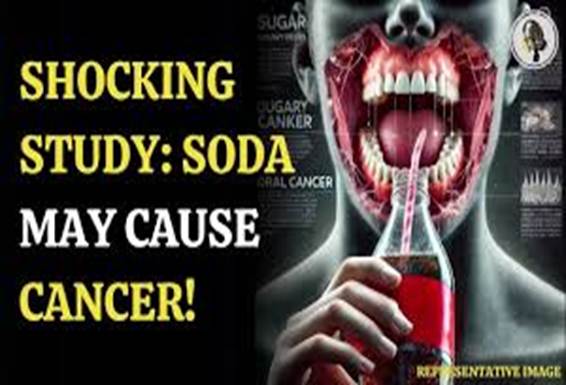
What Does Research Say?
Although smoking remains the primary risk factor, recent studies have highlighted the role of sugar:
- French Study (2019, NutriNet-Santé cohort): With over 100,000 participants, researchers found that high consumption of sugary drinks—including fruit juices—was linked to a significant increase in overall cancer risk, including oral cancers.
- American Institute for Cancer Research (AICR): Sugary beverages are classified as probable contributors to obesity-related cancers.
- Meta-analysis (2021, Nutrients Journal): High added sugar diets are correlated with increased cancer mortality, further strengthening the connection.
Though sugary drinks are not the sole cause, the evidence suggests they play a meaningful role, particularly in non-smokers.
Who Among Non-Smokers Faces the Highest Risk?
Not every non-smoker is equally at risk. The most vulnerable groups include:
- Young Adults – Heavy consumers of sodas, energy drinks, and packaged juices. Alarmingly, oral cancer is rising in younger age groups with no history of smoking.
- Obese or Diabetic Individuals – Already prone to cancer due to metabolic imbalances.
- HPV-Positive Individuals – When combined with high sugar intake, the risk of malignant changes increases further.
- Low-Income Populations – Sugary drinks are cheap and accessible, but dental care access is often limited, magnifying risks.
Comparing Risks: Smokers vs. Sugary Drink Consumers
- Smokers: Have a 10–15 times higher risk of developing oral cancer.
- Sugary drink consumers (non-smokers): Show an 18–22% higher overall cancer risk compared to those who rarely consume them.
While non-smokers who drink sugary beverages don’t face the extreme risk levels of smokers, the danger is still significant—and often underestimated.
How to Protect Yourself
If you’re a non-smoker, don’t assume oral cancer isn’t your concern. Here are steps you can take:
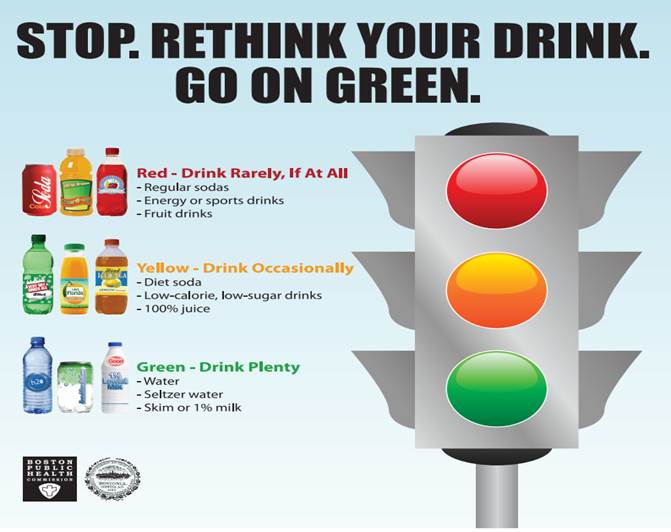
- Cut Down on Sugary Drinks
Replace sodas with water, sparkling water, or unsweetened tea. Reserve fruit juices for occasional treats. - Maintain Good Oral Hygiene
Brush and floss daily, and schedule regular dental check-ups. - Adopt a Balanced Diet
Focus on vegetables, fruits, lean proteins, and whole grains. Reduce processed foods and refined sugar. - Exercise Regularly
Helps regulate blood sugar, hormones, and immune function. - Stay Alert for Warning Signs
Watch out for persistent mouth sores, red or white patches, or difficulty swallowing. Seek medical attention early.
Expert Opinions
- American Cancer Society (ACS): While tobacco and alcohol remain the primary drivers of oral cancer, dietary and metabolic factors like sugar intake “deserve serious study.”
- World Health Organization (WHO): Recommends limiting added sugar to less than 10% of daily calories—about 25–30 grams for an adult.
- Dentists and Oncologists: Emphasize that oral health reflects overall health, and sugary drinks can have far-reaching effects.
FAQs
Q1. Can sugary drinks alone cause oral cancer?
Not directly, but they contribute to obesity, inflammation, and tissue damage, which together increase cancer risk.
Q2. Are diet sodas a safer option?
Not entirely. While they avoid sugar, they still contain acids and artificial sweeteners, which can irritate tissues.
Q3. How much sugar is considered safe?
WHO recommends a maximum of 25–30 grams daily. One can of soda typically exceeds this.
Q4. Do fruit juices carry the same risks?
Yes. Even 100% natural juices are high in sugar and can pose risks if consumed excessively.
Q5. Should non-smokers undergo oral cancer screening?
Absolutely. Early detection is crucial, and risk is not limited to smokers or drinkers.
Conclusion
The belief that oral cancer only affects smokers and heavy drinkers is no longer accurate. Sugary drinks are an emerging, hidden risk factor—especially for non-smokers.
If you drink sodas, packaged juices, or energy drinks regularly, you could be unknowingly increasing your vulnerability to oral cancer. Reducing sugar intake is not just about preventing cavities or diabetes—it may also be about saving your life.
Your daily choices matter. By cutting down on sugary drinks today, you protect your health, your smile, and your future.
For more such amazing content visit : https://insightsphere.in/








Post Comment