Match Referee Andy Pycroft Won’t Officiate Asia Cup Matches Involving Pakistan
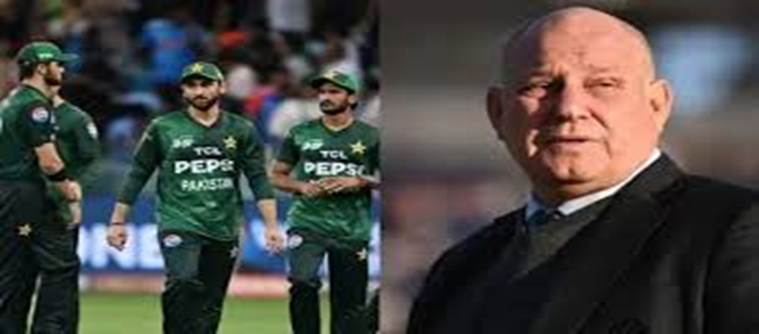
In a dramatic twist during Asia Cup 2025, Pakistan Cricket Board (PCB) has won a concession — Andy Pycroft will not officiate Pakistan’s upcoming matches. Read how the handshake controversy erupted, how ICC reacted, and what this means for cricket, politics, and sportsmanship.
Why Andy Pycroft Will Not Officiate Pakistan’s Matches in Asia Cup
So here we are in Asia Cup 2025 — cricket, drama, politics, handshake snubs, and a match referee named Andy Pycroft right in the middle of it. Let’s unpack this messy, amusing, frustrating (take your pick) story of how one official ended up benched — at least for Pakistan’s games — and what got everyone riled up.
The Setup: Handshake, No Handshake, Uproar
Every cricket fan knows that handshakes before and after a match, especially between rivals like India and Pakistan, are part of the unwritten code of respect. It’s like saying “Good game, mate,” except more formal, more political, more symbolic.
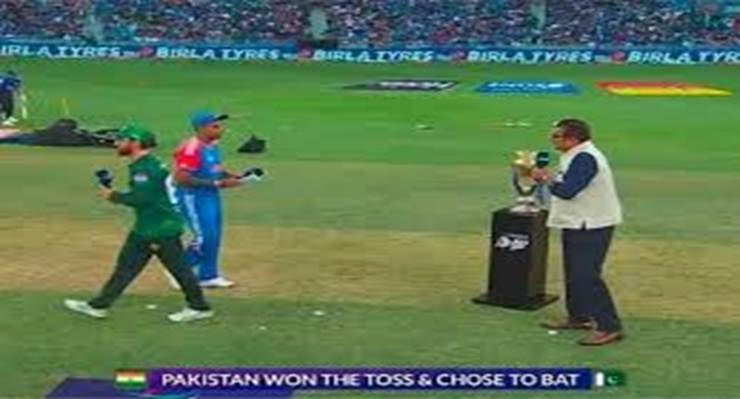
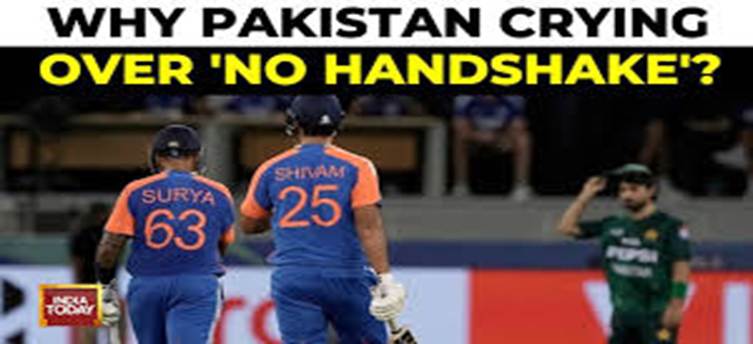
In the India vs Pakistan match in Dubai, Team India decided not to shake hands with Pakistan’s side after the toss and again after the match. This came in the wake of a tragic terror attack in Pahalgam, and Indian captain Suryakumar Yadav dedicated the win to the armed forces, etc.
Cue Pakistan Cricket Board (PCB) being upset. They claim that match referee Andy Pycroft told the captains not to shake hands at toss (or during the match proceedings) — an instruction they say is “against sportsmanship” and against spirit of cricket.
The Clash: PCB vs ICC and the Demand to Drop Pycroft
The PCB didn’t just grumble. They formally lodged a complaint with the International Cricket Council (ICC), saying Pycroft violated ICC rules (Code of Conduct, Spirit of Cricket) and demanded that he be removed from officiating any Pakistan matches in Asia Cup or even from the tournament. They even threatened to withdraw Pakistan from the Asia Cup if their demand wasn’t met.
But ICC initially rejected the demand. They said, no, Pycroft stays. The handshake controversy might be unfortunate, but removal of a match referee is a serious step.
The Compromise: Pycroft Rests (for Pakistan Games)
After tense negotiations, dramatic statements, press conference cancellations, and threats, a compromise was reached: Andy Pycroft will not officiate Pakistan’s match against UAE in the group stage of the Asia Cup. Richie Richardson is being brought in instead.
As the reports suggest, this is not necessarily a full removal from the tournament for Pycroft — but a face-saving measure for PCB, and a way for ICC to keep balance. PCB will still play, avoid the financial and reputational loss of walking out, but get something they can present as having “won.”
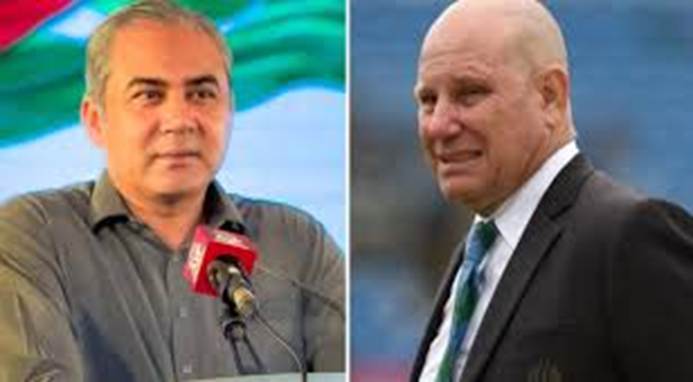
The Characters: Pycroft, PCB, and What They’ve Done Before
Here are some background bits because every drama has its recurring figures:
- Andy Pycroft is a seasoned match referee. Over 100 Test matches under his belt. He has already officiated many high-stakes matches and been involved in other controversies (ball tampering, behaviour of players etc.).
- PCB is not new to controversy. Here they are again, in international limelight, feeling wronged in what they view as a violation of cricketing norms. They took a strong stand here.
- ICC is the global body, under pressure: they need to preserve rules, refereeing independence, avoid setting precedent that boards can push around match officials too easily — and also avoid a public walkout by a major team.
The Bigger Picture: Why This Matters (More Than Just Handshakes)
This is not just about handshakes (but yes, those matter). This is about:
- Sportsmanship & Symbols — Cricket is full of ritual. Handshake at toss. At end of match. It’s symbolic. Once those symbols are messed with, people get upset.
- Referees’ Authority vs Teams’ Expectations — If boards can force a referee out because of perceived slights, what does it mean for referees’ ability to enforce rules impartially?
- Politics, Culture, and Cricket — In South Asia, cricket is never purely sport. The Pahalgam incident, national sentiments, patriotism — these play big roles. This handshake thing became a political symbol.
- Precedent — If this becomes OK, other incidents might see boards pushing for changes of officials frequently. That could undermine the structure of cricket governance.
Comic Relief: Because Why Not?
Imagine the scene:
- Pycroft, sitting in the ICC room, sipping coffee: “You want me removed because of a handshake?”
- PCB official pacing, dramatic music playing, “Either Pycroft goes or we don’t play!”
- ICC trying to calm both: “How about Pycroft sits out just for one Pakistan match — yes, that’s compromise number 23 today.”
- Richardson entering stage left, “I’ve come to officiate!”
- Pycroft muttering, “I was just following protocol… handshakes or no handshakes, you try keeping everyone happy.”
Add in the media, social-media armchair experts, old tweets, hot takes in newspapers, you’ve got yourself a soap-opera meets cricket.
What This Means Going Forward
- For Pakistan, it’s a partial victory. They didn’t get the full removal of Pycroft but got enough to show they pushed back.
- For Andy Pycroft, it’s a bruise to reputation, but not yet a knockout. He might still referee other Pakistan matches in future (Super Four etc.), unless further negotiations change that.
- For ICC, this is a balancing act. They want to uphold respect, rules, but also manage pressures from member boards.
Final Thoughts: Who Wins, Who Loses?
- PCB wins something. They avoid being seen as capitulating. They get some demand met. They remain in tournament.
- ICC avoids a walk-out, shows some flexibility, but also doesn’t give everything.
- Pycroft loses a bit of prestige (in media and narrative) but still retains much of his role.
- Cricket fans? Well, they win drama but lose a bit of the purity of the sport (the rituals, the handshakes). But maybe that ritual still matters as reminder of respect even amid politics.




Post Comment