GST Remains Same as Earlier: Full List of Unchanged Items in GST 2.0
Discover the complete list of products where GST remains same as earlier under GST 2.0. Find out why these items saw no rate change in 2025 reforms.
Introduction
The Goods and Services Tax (GST) in India has undergone one of its biggest reforms in September 2025, often referred to as GST 2.0. The government rationalised multiple slabs into three broader categories – 5%, 18% and 40%, with the objective of simplifying compliance and boosting consumption.
While many essential goods saw tax relief and luxury/sin goods were pushed into a higher bracket, there is another side of the story — the list of products where the GST remains same as earlier. These items continue to be taxed at their old rates without any alteration.
In this blog, we present a detailed analysis of unchanged GST items, why they were left untouched, and what it means for both consumers and businesses.
Items Where GST Remains Same as Earlier
1. Electric Vehicles (EVs)
- GST on EVs remains 5%, unchanged.
- The government decided to continue its support for clean mobility by ensuring no additional tax burden.
- This stability is good news for the rapidly growing EV market in India, as it keeps prices predictable and attractive for buyers.
2. Mobile Phones and Laptops
- GST continues to be 18% on smartphones, tablets, and laptops.
- Although consumers were hoping for relief, the Council decided not to reduce rates, possibly to protect revenue.
- The unchanged GST rate ensures manufacturers and e-commerce players do not have to re-price or adjust existing inventories.
3. Edible Oils
- Everyday cooking oils continue at 5% GST.
- Considering the importance of edible oils in every Indian kitchen, the government avoided any increase, preventing inflationary pressure on households.
- Consumers can continue purchasing their favorite oils without worrying about a GST hike.
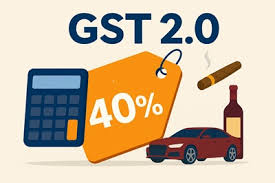
4. Cigarettes, Gutkha, Zarda, Unmanufactured Tobacco, and Bidis
- The tax structure on these products remains the same for now.
- They continue under the existing GST + cess framework, with changes deferred until compensation cess adjustments are resolved.
- This means smokers and tobacco users will not feel an immediate impact under GST 2.0, although future hikes remain possible.
5. Textiles and Apparel (Budget Segment)
- Apparel and clothing accessories priced up to ₹2,500 per piece remain under 5% GST.
- This ensures middle and lower-income groups are not burdened during festive or seasonal shopping.
- The textile sector, which often faces disruptions due to frequent tax changes, now enjoys rate stability.
6. Cotton Quilts and Made-Up Textile Articles
- Cotton quilts priced up to ₹2,500 continue at 5% GST.
- Similarly, made-up textile articles such as sets or smaller home textile items remain unchanged.
- This helps both manufacturers and small traders by ensuring no price volatility.
7. Premium Footwear
- Footwear above ₹2,500 per pair remains taxed at 18%.
- Luxury footwear brands and sellers continue under the higher slab, meaning no price cuts for consumers in this segment.
Why Did GST Remain Same for These Items?
The GST Council applied a balanced approach in GST 2.0. The objective was not to change everything, but rather to simplify where needed while preserving stability where sectors were already functioning smoothly.
Some key reasons why GST remains same as earlier for these items include:
- Industry Stability: Sectors like electronics and textiles were already aligned with their slabs. Any changes could have created unnecessary disruption.
- Revenue Consideration: Smartphones, laptops, and premium footwear generate high revenue. Reducing their rates could widen fiscal deficits.
- Inflation Control: By keeping edible oils and budget apparel unchanged, the government avoided sudden shocks to household budgets.
- Green Push: Continuing the 5% rate for EVs is part of the government’s climate and mobility policy, encouraging wider adoption.
- Deferred Decisions: Tobacco and related products will eventually face revisions, but for now, no change ensures stability in cess collections.
Impact on Consumers
For the common consumer, knowing which items remain unchanged is as important as knowing which items became cheaper or costlier.
- Households: Kitchen essentials like edible oils remain stable, offering relief amid other inflationary pressures.
- Technology Buyers: Smartphones and laptops stay expensive with no GST cut, disappointing students and professionals.
- Middle-Class Families: Festive shopping for clothes and quilts under ₹2,500 remains unaffected, making it easier to plan seasonal expenses.
- Luxury Buyers: No change for premium footwear and high-end apparel means prices remain high.
- Smokers/Tobacco Users: They continue to pay the same rate, but potential hikes loom on the horizon.
Impact on Businesses
Businesses across different sectors also benefit from stability in unchanged GST categories.
- Retailers & Traders: No need for frequent repricing or system updates.
- Manufacturers: Electronics and textile makers can continue production planning without recalculating tax implications.
- E-commerce Platforms: With smartphones and laptops unchanged at 18%, online sellers can avoid confusion during festive sales.
- EV Companies: Continued 5% rate helps maintain demand momentum in a highly competitive market.
The Larger Message of Stability
The decision to let GST remain same as earlier for certain categories sends a strong message: not every reform needs sweeping changes. By focusing on essentials and luxury adjustments while keeping some items steady, the GST Council ensured a mix of reform + continuity.
This balance is critical for maintaining public trust and preventing confusion in industries that thrive on predictability. Consumers can plan expenses confidently, and businesses can align supply chains without sudden disruptions.
Conclusion
The GST remains same as earlier for a wide range of items including electric vehicles, smartphones, laptops, edible oils, budget apparel, cotton quilts, and premium footwear. Tobacco products also remain unchanged under the existing GST + cess structure, at least for now.
This selective approach under GST 2.0 shows that the government is keen on simplifying where necessary while maintaining stability in sensitive sectors. For households, it means no shock in daily budgets. For industries, it ensures business continuity.
As GST reforms continue to evolve, the unchanged list demonstrates that sometimes, leaving things untouched is the best reform of all.
For more such amazing content visit : https://insightsphere.in/






1 comment