GST 2.0 India: Everything You Need to Know About the New 5%, 18% & 40% Slabs (Effective Sept 22, 2025)”

GST 2.0 India: Everything You Need to Know About the New 5%, 18% & 40% Slabs (Effective Sept 22, 2025)”
India’s Goods and Services Tax (GST) regime is undergoing its most significant overhaul since its inception in 2017. On September 4, 2025, the 56th GST Council meeting led by Union Finance Minister Nirmala Sitharaman approved sweeping reforms aimed at simplifying the tax structure and reducing the burden on consumers and businesses. These reforms introduce a two-slab GST system—5% and 18%—alongside a special 40% “sin/luxury” slab. The changes, which will take effect from September 22, 2025 (the first day of Navratri), are expected to help rein in inflation, stimulate consumption, and make compliance easier for small traders and MSMEs.
2. Why This GST Overhaul Matters
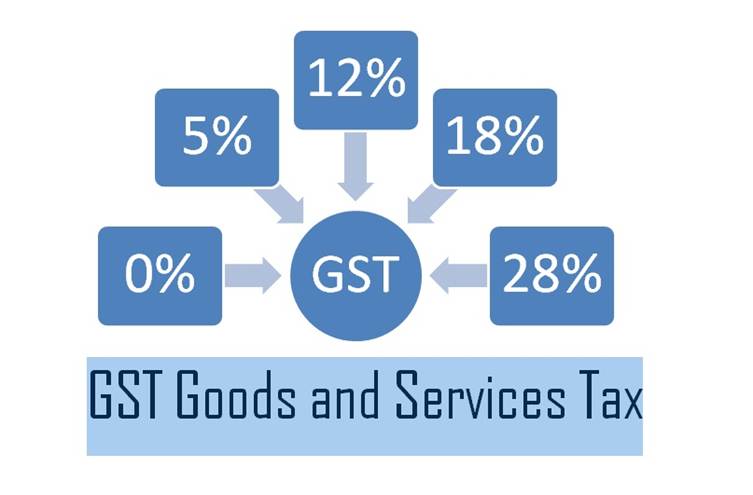
- Simplified Structure: India has moved from a confusing four-tier system (5%, 12%, 18%, 28%) to a cleaner structure with only two primary slabs—5% and 18%, plus a 40% slab for sin and luxury goods.
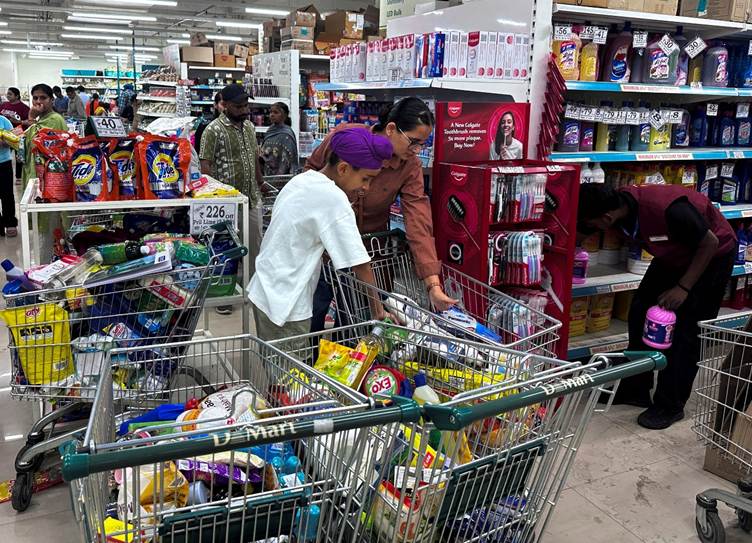
- Boost for Consumers: Everyday essentials like packaged foods, soaps, medicines, dairy, and even insurance now fall under lower or nil tax rates.
- Inflation & Demand: Analysts predict a reduction in inflation by up to 1.1 percentage points, potentially offsetting a projected ₹480 billion in revenue loss through higher consumption.
- Ease of Compliance: The overhaul is expected to ease compliance burdens and improve business sentiment and economic efficiency.
3. What’s Cheaper, What’s Exempt, What’s Expensive
5% GST Slab
- Staples and essentials: household items such as soaps, shampoos, toothpaste, packaged foods, and dairy like paneer, butter, UHT milk, and ice creams now attract 5% or are exempt (0%).
- Insurance: Individual life and health insurance are now GST-exempt, offering relief to policyholders.
- Services: Salons, gyms, and yoga centers move to 5% (from previous 18% + ITC).
- Hospitality: Hotel rooms costing up to ₹7,500 per night will now attract a flat 5% GST (without ITC).
- Agriculture: Farm machinery and irrigation equipment now taxed at 5%, easing costs for farmers.
- School supplies: Items like pens, notebooks, atlases, drawing tools—many have been moved to nil or 5%, reducing educational expenses.
- Medical devices: GST set at 5% to make healthcare costs affordable.
- Bicycles & parts: Now taxed at 5% (down from 12%).
18% GST Slab
- Appliances: Air conditioners, TVs, dishwashers now fall under 18%, down from 28%.
- Automobiles: Small cars (petrol ≤1200 cc or diesel ≤1500 cc, length ≤4 m), bikes under 350 cc, and passenger three-wheelers now taxed at 18%.
- Cement, construction: Reduced to 18%, lowering housing and construction costs.
40% GST Slab (Sin & Luxury Goods)
- Tobacco, cigarette, gutkha, pan masala, aerated drinks, lotteries, casinos, IPL tickets (non-recognized events), high-end cars—all fall under the new 40% slab.
- The shift consolidates previous GST + Compensation Cess into a singular 40% tax.
4. Effective Date & Exceptions
All new GST rates apply from September 22, 2025, except for cigarettes, chewing tobacco, unmanufactured tobacco, and beedi—these will continue under existing rates until compensation cess liabilities are cleared.
Comparison: Old GST vs New GST 2025
| Category | Old GST (Pre-2025) | New GST 2025 |
| Daily-use items (soap, toothpaste, biscuits) | 12% | 5% |
| Insurance (health & life) | 18% | 5% |
| Hotel stays (₹1,000–₹7,500) | 12%–18% | 5% |
| Cement & construction | 28% | 18% |
| Cars (small segment) | 28% + cess | 18% |
| Two-wheelers (normal) | 28% | 18% |
| Luxury cars, SUVs | 28% + cess (up to 50%) | 40% flat |
| Tobacco & sin goods | 28% + cess | 40% flat |
5. The Bigger Picture: Who Gains and Who Doesn’t
Winners
- Consumers get immediate relief on essential products, appliances, auto purchases, and services—benefitting households and boosting festive-season demand.
- Farmers and MSMEs benefit through lower taxes on agri-equipment and simplified compliance.
- Economic Growth: The reforms are expected to boost consumption, counter inflation, and bolster GDP.
Losers or Affected Segments
- Apparel over ₹2,500 now taxed at 18% (previously 12%)—costlier for some shoppers.
- Luxury sectors face a steep 40% levy on high-end goods and services, which may dampen demand.
6. Conclusion
The GST 2.0 reform marks a pivotal moment in India’s tax history—ushering in a cleaner, more equitable GST structure: 5% for essentials, 18% for most goods and services, and 40% for sin & luxury items. Effective September 22, 2025, this overhaul simplifies rates, eases inflation, and catalyzes consumption. While everyday citizens, farmers, MSMEs, and homebuyers are poised to benefit, luxury and certain apparel segments may see a downturn. As the nation approaches the festival season, these changes are designed to serve as an early Diwali gift—with affordability and simplicity at its core. Keep an eye on CBIC notifications for detailed rate schedules and compliance guidance.
Highlights of the New GST Slabs
✅ Consumers gain → Lower costs on essentials, medicines, insurance, and housing.
✅ MSMEs benefit → Easier billing & reduced compliance.
✅ Farmers gain → Cheaper equipment & inputs.
✅ Luxury/sin users pay more → Higher burden on tobacco, alcohol, betting, and luxury vehicles.
For more such amazing content visit : https://insightsphere.in/





1 comment