Progress Over Perfection: Moving Forward Without Fear
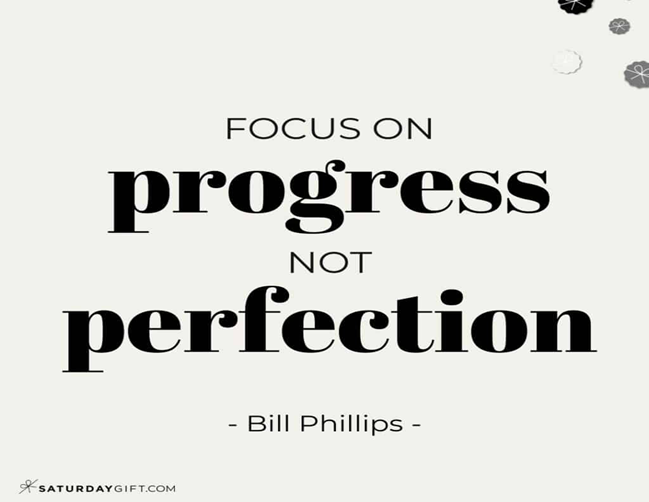
Learn why “progress over perfection” beats perfectionism, how to start before you’re ready, and practical steps to keep momentum. Evidence-based tips, real examples, FAQs, and an action plan.
Why “Progress Over Perfection” Wins in Real Life
Perfection feels safe—but it quietly stalls careers, creativity, and confidence. Current essays and coaching guides echo the same pattern: people wait to feel “ready,” tweak endlessly, and never ship. The better frame is simple: ship small, learn fast, iterate often. Recent commentary aimed at creators and professionals stresses that readiness is an illusion; confidence follows action, not the other way around.
Perfectionism isn’t just a productivity issue; it’s a mental-health one. Multiple overviews connect maladaptive perfectionism with higher anxiety, depression, and burnout—clear reminders that “perfect” carries a cost. Choosing progress over perfection is, therefore, both a performance strategy and a wellbeing strategy.
Problem → Struggle → Shift → Action (What the Best Blogs Agree On)
1) Problem: “I’ll Start When It’s Perfect.”
Struggle: You refine the plan instead of building the product. Weeks vanish in “one more tweak.”
Shift: Treat life like a draft. Your v1 is allowed to be ugly.
Action: Time-box a Minimum Lovable Step (MLS)—the smallest version that delivers value in the real world within 48 hours. (Think: publish a 300-word post, launch a waitlist, demo to 3 users.) Modern thought-leadership pieces call this bias toward iteration the central unlock. Navicet
2) Problem: Fear of Judgment
Struggle: You imagine critics everywhere, so you delay.
Shift: Confidence is a result of doing, not a prerequisite.
Action: Use the Rule of 10 Reps—commit to ten public, imperfect reps before evaluating yourself. Creators and coaches repeatedly highlight repetition as the remedy for stage-fright and over-editing
3) Problem: All-or-Nothing Thinking
Struggle: If you can’t do an hour at the gym, you do zero.
Shift: Progress is a spectrum; perfection is a switch.
Action: Adopt 2% Wins. Reduce any habit to a two-minute action (wear shoes, write a headline, open the IDE). These micro-starts compound into momentum, a theme echoed across productivity columns.
4) Problem: Endless Polishing
Struggle: Quality becomes a hiding place.
Shift: “Good enough to learn from” beats “perfect but unpublished.”
Action: Install Definition of Done (DoD) checklists: (a) objective delivered, (b) meets user/task need, (c) one revision pass, (d) ship. Only then iterate with data.
5) Problem: Perfectionism Hurts Health
Struggle: Tight chest, racing thoughts, sleep that never restores.
Shift: Protect mental bandwidth first; excellence follows energy.
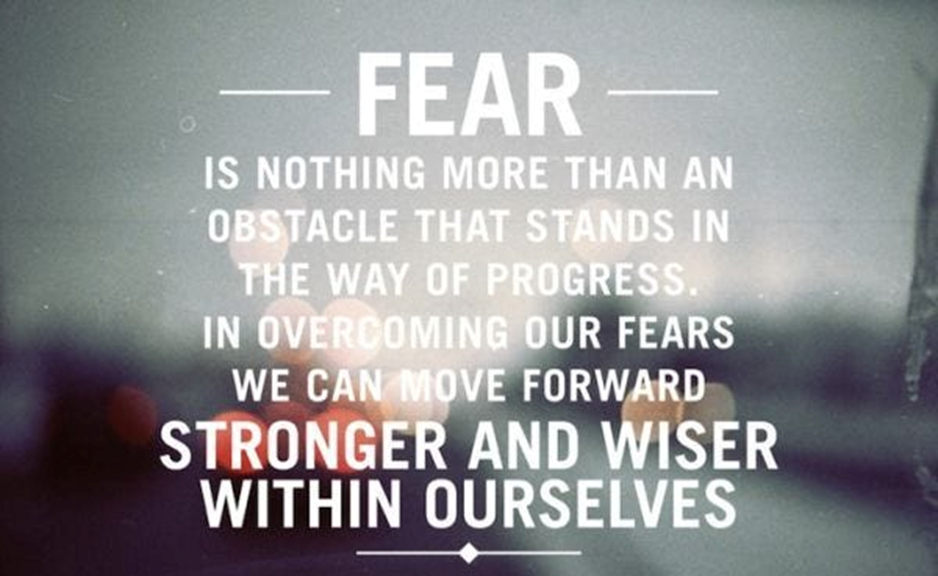
Action: Practice Deliberate Imperfection: intentionally leave something at 90% once a day. Paired with self-compassion, this reduces the anxiety-perfection loop documented in academic and practitioner write-ups.
A 30-Day “Progress Over Perfection” Sprint
Day 1–3: Declare Outcomes, Not Ideals
- Write one measurable outcome for the next 30 days (e.g., “publish 8 posts” vs. “grow my brand”).
- Draft your Definition of Done for each deliverable.
Day 4–10: Small Bets, Fast Feedback
- Launch 3 MLS experiments.
- Ask 3 real users for feedback within 24 hours of shipping each experiment.
- Journal: What did I learn I could not have learned from planning?
Day 11–20: Build the Reps
- Schedule 10 identical creation blocks (same hour daily).
- Practice The First Bad Version: produce v1 in 25 minutes, refine in 20, ship by minute 60.
Day 21–30: Iterate With Data
- Double down on what performed in the top 20% (traffic, replies, conversions).
- Kill or shelve the bottom 20% without guilt.
- Celebrate with a 2-line win log each evening to wire progress into identity.
Mindset Upgrades (Backed by What the Best Guides Emphasize)
- Start before you’re ready. The “readiness” sensation arrives after doing.
- Iterate in public. Repetition and visibility reduce fear while compounding skill.
- Normalize mistakes. High-quality sources link perfectionism to anxiety; iteration plus self-compassion lowers that load.
- Measure learning velocity. Track time to ship and cycles to improve, not just outcomes.
- Make peace with 90%. Excellence comes from cycles, not single immaculate attempts.
Case Snapshots (What Readers Relate To)
- Creator: Posts weekly short videos. Week 1 feels clumsy. By Week 6, hooks are sharper and editing faster; engagement doubles. The win wasn’t perfection; it was cadence.Founder: Ships a basic landing page in a day, collects 37 emails, and adjusts the pitch. The “perfect” brand deck would have taken a month—and missed what customers actually wanted.
- Professional: Gives 10 micro-talks internally before a conference keynote. The keynote lands because the rough reps absorbed the fear.
- These mirror stories you’ll find across current mindset and business blogs: progress over perfection turns uncertainty into motion, motion into learning, learning into results.
Frequently Asked Questions (SEO-friendly)
Q1: Is “progress over perfection” just lowering standards?
No. It’s sequencing. You ship to learn, then you refine. High standards survive; procrastination doesn’t.
Q2: What if my industry requires precision?
Use two modes: explore (imperfect prototypes to learn) and exploit (precision when stakes are high). The trap is using exploit-mode too early.
Q3: How does this help anxiety?
Research overviews link maladaptive perfectionism to greater anxiety and depression. Structured iteration, self-compassion, and realistic DoD help break the loop.
Q4: How often should I ship?
As often as you can learn. Many creators and coaches advocate weekly (or even daily) reps to build momentum and confidence.
Copy-and-Use Templates
Definition of Done (DoD) – 5 bullets
- Audience problem addressed
- Single clear CTA included
- One edit pass complete
- Ship by deadline
- Log learning in 2 lines
Win Log (evening, <60 seconds)
- Shipped:
- Learned:
- Next improvement:








Post Comment