Prime Minister’s Silent Praise for Group Captain Animesh Patni, VrC
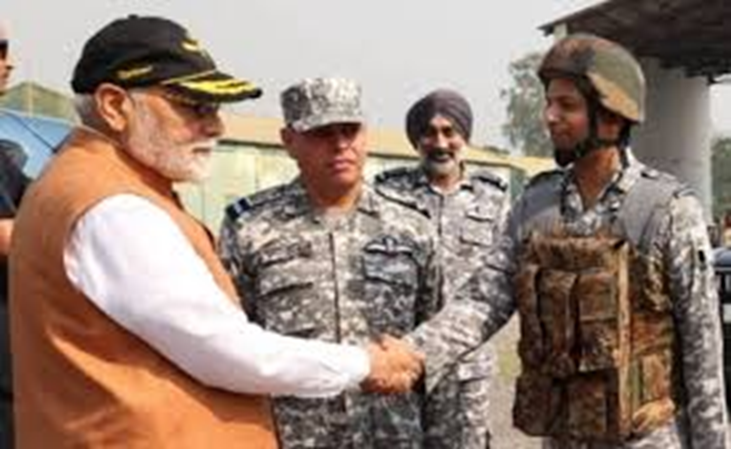
When the Prime Minister of India speaks—or even stands silently before a military system—his actions reverberate across the nation. In May 2025, after the conclusion of Operation Sindoor, Prime Minister Narendra Modi made a pointed visit to Adampur Air Base. His presence in front of India’s prized S-400 launcher, shared widely on social media, was more than just a photo-op. It was a powerful, indirect praise for the men and women behind India’s modern air-defence shield, most notably Group Captain Animesh Patni, the IAF officer who commanded the unit that scripted history.
Operation Sindoor: A Decisive Chapter
India’s Operation Sindoor (May 7–10, 2025) was a short yet intense military campaign that neutralized Pakistan’s air strike capabilities and terror-linked infrastructure. During these operations, the IAF shot down five Pakistani fighter jets and a large AEW&C aircraft—the longest recorded surface-to-air kill at nearly 300 km.
At the heart of this operation was Group Captain Animesh Patni, a decorated fighter pilot and air-defence commander. Leading an S-400 TRIUMF regiment, he oversaw the engagement that changed the dynamics of South Asia’s air war. For his role, he was later awarded the Vir Chakra, India’s third-highest wartime gallantry award.
The Prime Minister’s Rebuttal at Adampur
On 13 May 2025, Pakistan attempted to spread misinformation, claiming India’s S-400 had been destroyed. Prime Minister Modi responded not through words, but with images and presence. He visited Adampur Air Base and posed before the intact, combat-ready S-400 launcher.
Without naming anyone, he sent a message loud and clear: India’s defences are intact, effective, and in the hands of exceptional commanders. In that moment, the nation recognized that the true heroes were the officers like Group Captain Animesh Patni, who had already demonstrated the system’s lethal efficiency just days earlier.
Symbolism as Praise
While the Prime Minister did not explicitly mention Gp Capt Patni in his remarks, the symbolism was unmistakable:
- The PM’s presence at the S-400 site was a seal of approval for the men operating it.
- The timing—days after Patni’s historic engagement—was no coincidence.
- The images went viral, reminding citizens that India’s shield stood strong, thanks to leaders in uniform.
In Indian military tradition, such silent praise often carries more weight than words. It reflects trust, confidence, and gratitude for officers who rarely seek the spotlight themselves.
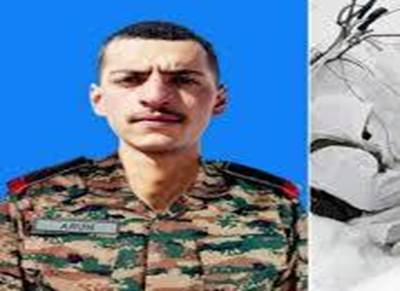
Why Group Captain Animesh Patni Matters
- Air Power Redefined – By neutralizing an AEW&C aircraft from 300 km, Patni redefined India’s air defence deterrence.
- Courage Under Pressure – Leading a missile regiment in wartime requires calm judgement, technical mastery, and absolute composure.
- Recognition by Nation – The Vir Chakra validated his gallantry, while the Prime Minister’s actions amplified his contribution to national security.
The Broader Message
The Prime Minister’s indirect praise of Group Captain Animesh Patni was also a message to the adversary:
- India’s leadership and military stand united.
- False propaganda will be countered with proof, not rhetoric.
- Heroes in uniform will be honoured, whether or not their names are publicly spoken.
- Conclusion
- In May 2025, when Prime Minister Narendra Modi stood before the S-400 launcher at Adampur, he wasn’t just addressing misinformation. He was saluting, in his own way, the courage and leadership of men like Group Captain Animesh Patni, VrC.
- Sometimes, the strongest praise isn’t delivered in speeches or tweets—it’s delivered through presence, symbolism, and trust. And in that moment, India’s political and military leadership came together to etch a new chapter of confidence, deterrence, and honour in the nation’s history.
For more such amazing content visit : https://insightsphere.in/






Post Comment