Vegetarian Diet Reduces Cancer Risk: The Science
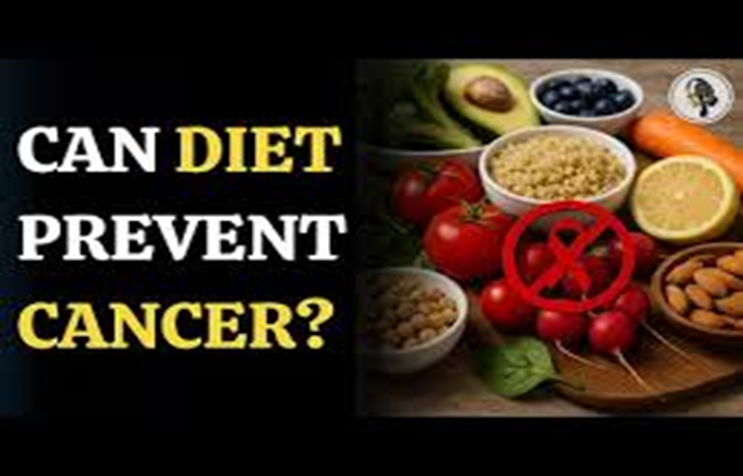
A vegetarian diet reduces cancer risk by 12% — a powerful truth revealed by modern research. Food is not just fuel; it is identity, comfort, science, and survival. While our bodies eat to stay alive, our minds eat to feel alive. This is where food psychology enters the story, explaining why we eat, what we eat, and how food choices impact emotions and health. The fusion of science and psychology shows us that food can be more than survival — it can be protection against deadly diseases like cancer.
📊 The 12% Breakthrough
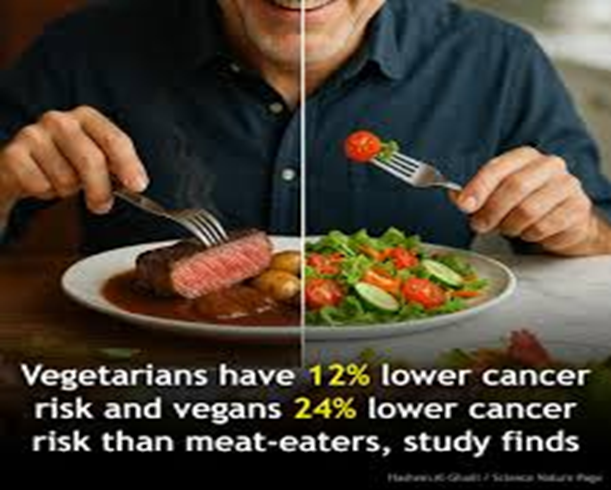
An Oxford University study found that people following a vegetarian diet have 12% lower risk of cancer compared to meat eaters. The strongest protection was seen against colon, breast, and stomach cancers.
🥦 Why Vegetarian Diet Helps Against Cancer
- Antioxidant Shield – Fruits and vegetables are rich in antioxidants that neutralize free radicals before they damage DNA.
- Fiber Power – Pulses, beans, and whole grains improve digestion and reduce colon cancer risk.
- Balanced Hormones – Plant-based diets regulate hormones, lowering breast and prostate cancer risks.
- Low Saturated Fat – Vegetarians consume less unhealthy fat, reducing obesity and diabetes risks, which are linked to cancer.
Clearly, a vegetarian diet reduces cancer risk not by magic, but by science.
Fun & Fascinating Facts 🌱
- India is home to the largest vegetarian population in the world (30–35%).
- Jainism practices strict vegetarianism as a way of life.
- Turmeric (Haldi), a common Indian spice, contains curcumin — a compound studied worldwide for its cancer-fighting properties.
- Mediterranean vegetarian diets are proven to cut risks of both cancer and heart disease.
Famous People Who Prove Vegetarianism Works
- Mahatma Gandhi – Saw vegetarianism as purification of body and soul.
- Amitabh Bachchan – Credits vegetarian lifestyle for his energy and fitness at 80+.
- Virat Kohli – Switched to vegetarianism to improve stamina and performance.
- Albert Einstein – Predicted vegetarianism would be humanity’s future for mind and planet.
- Steve Jobs – Believed fruit-and-vegetable diets boosted creativity.
These examples show that a vegetarian diet reduces cancer risk while also strengthening mind and body.
Is Just Being Vegetarian Enough?
No. Simply avoiding meat does not guarantee health.
- Eating fried pakoras, processed snacks, and sugar-heavy mithai is still harmful.
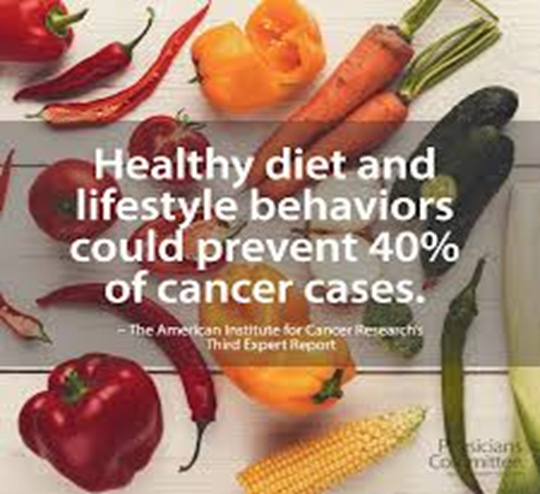
- The secret lies in balanced vegetarianism — fresh vegetables, fruits, pulses, nuts, seeds, and whole grains.
A vegetarian diet reduces cancer risk only when it is wholesome, not junk.
Food Psychology: Why We Eat, What We Eat
Now let’s connect the science with psychology.
Hunger vs. Appetite
- Hunger is biological — the body’s need for fuel.
- Appetite is psychological — that late-night craving for pizza comes from habit, smell, or stress, not true hunger.
Emotional Eating
- Stress pushes us toward sugary snacks.
- Loneliness makes us crave comfort foods like ice cream.
- Celebrations connect food with joy and belonging.
Cultural Influence
Food is culture on a plate:
- India → Vegetarianism tied to spirituality.
- Japan → Sushi represents harmony with nature.
- Mexico → Corn is not just food but heritage.
Thus, what we eat is as much psychology as it is nutrition.
What We Eat: Choices and Cravings
Cravings & Rewards
Chocolates, chips, and coffee win over salad because sugar, salt, and caffeine release dopamine — the “feel-good” chemical.
Mindless vs. Mindful Eating
Mindless eating → Finishing chips while scrolling Instagram.
Mindful eating → Savoring flavors and stopping when full.
Mindful vegetarians enjoy food while also cutting cancer risks.
Marketing & Media Influence
- Bright red/yellow logos trigger appetite (McDonald’s, KFC).
- Instagram trends push rainbow cakes and bubble tea.
- Delivery apps fuel midnight cravings with discounts.
Food psychology explains why resisting temptation is so hard.
Beyond Food: Lifestyle Also Matters
Diet works best when combined with lifestyle:
- Regular exercise strengthens immunity.
- Avoiding alcohol and smoking further reduces cancer risk.
- Managing stress prevents unhealthy eating patterns.
So while a vegetarian diet reduces cancer risk, lifestyle completes the picture.
Food as Identity
Today, food is also self-expression:
- Vegans highlight compassion for animals.
- Fitness lovers flaunt protein smoothies.
- Families pass down cultural heritage through recipes.
Choosing vegetarianism is more than health — it is identity, ethics, and environment.
Conclusion: Mind Meets Plate
A vegetarian diet reduces cancer risk by 12%, proving that what we put on our plate shapes our destiny. Food psychology shows why we crave chocolate when sad or biryani at midnight. Science proves vegetarian food shields us from disease. Together, they remind us:
👉 Food is not just survival; it is medicine, memory, and identity.
So, next time you sit down to eat, ask yourself:
- Am I hungry or feeding an emotion?
- Is this food giving me comfort now but disease later?
A mindful, vegetarian-friendly plate may be the simplest and strongest investment in a long, healthy, and happy life.
For more such amazing content visit : https://insightsphere.in/








Post Comment