Time Management: The Key to Success
In today’s fast-paced world, mastering the art of time management isn’t just a skill—it’s a necessity. The difference between reaching your goals and watching them slip away often comes down to how effectively you use the 24 hours given to you each day.

This presentation will explore practical strategies, proven techniques, and insightful approaches to help you take control of your time and maximize your productivity. From understanding core concepts to implementing specific methodologies, we’ll provide you with a comprehensive toolkit for time management excellence.
What is Time Management?
The process of organizing and planning how to divide your time between specific activities to maximize productivity and efficiency.
Purpose: To work smarter, not harder, accomplishing more with less stress and pressure while creating space for what truly matters
Benefits: Increased productivity, reduced stress, improved work-life balance, greater focus, and enhanced career growth opportunities.

Time management isn’t about squeezing more tasks into your day; it’s about making the best use of your time to achieve your most significant goals. It involves understanding the value of time and making conscious choices about how you allocate this finite resource.
The Importance of Time Management
23% Productivity Boost – Average increase in output with proper time management techniques
41% Stress Reduction – Percentage decrease in work-related stress levels
37% Work-Life Balance – Improvement in satisfaction with personal time availability
Time is the scarcest resource and unless it is managed nothing else can be managed.” – Peter Drucker

When we master time management, we gain control over our professional and personal lives. Rather than feeling overwhelmed by competing demands, we develop the ability to accomplish more while experiencing less stress. This creates space for creativity, innovation, and pursuing what truly matters to us.
The Time Management Matrix
Urgent & Important: Crises, pressing problems, deadline-driven projects
Not Urgent & Not Important: Trivia, busy work, time wasters, escape activities
Not Urgent & Important: Planning, prevention, relationship building, true recreation
Urgent & Not Important: Interruptions, some calls, some meetings, many popular activities
Eisenhower’s Urgent/Important Principle, popularized by Stephen Covey, helps us evaluate tasks based on their urgency and importance. By categorizing our activities into these four quadrants, we can make better decisions about what deserves our time and attention.
The goal is to spend more time in Quadrant II (Important but Not Urgent), focusing on prevention and planning rather than constantly putting out fires in Quadrant I.
Prioritization Techniques
| Must Do | ||||||||||||||||||||||||
| Critical tasks with significant consequences | ||||||||||||||||||||||||
| Should Do | ||||||||||||||||||||||||
| Important but less critical tasks | ||||||||||||||||||||||||
| Nice to Do | ||||||||||||||||||||||||
| Tasks that can be postponed | ||||||||||||||||||||||||
| Eliminate | ||||||||||||||||||||||||
| Tasks with minimal value or impact | ||||||||||||||||||||||||
The key is not to prioritize what’s on your schedule, but to schedule your priorities.” – Stephen Covey
Effective prioritization means saying “yes” to what matters most and “no” to everything else. In real-world practice, this might look like tackling your most challenging project first thing in the morning when your energy is highest, rather than responding to non-urgent emails.
The Pomodoro Technique
Select TaskChoose a single task to focus on completely
Set Timer Set timer for 25 minutes of focused work
Work Focus intently until the timer rings
Break Take a 5-minute break to refresh
Repeat Continue cycle, with longer break after 4 pomodoros
The Pomodoro Technique, developed by Francesco Cirillo, uses timed intervals to maintain focus. In practice, this might look like setting a timer for 25 minutes to draft a report without checking emails or notifications, then taking a short 5-minute break before beginning another focused session.
This approach harnesses our natural attention spans and provides regular breaks to maintain mental freshness and prevent burnout
“Time-Smart Micro Habits: The 1-Minute Omelette & Dosa Formula”
The 01-Minute Omelette Formula
If you had only one minute to cook an omelette, you’d:
- Crack, whisk, pour, and cover – no distractions, no garnish, no overthinking.
That’s how you should treat small but important tasks: Get them done decisively and efficiently, rather than letting them linger and grow into time-eaters.
The Dosa Formula
Making the perfect dosa needs:
- A hot tawa (your prime time),
- Consistent batter spreading (a clear method),
- Timing on the flip (don’t overdo or underdo).
🕒 This mirrors time management:
- Identify your peak productivity hours (like the hot tawa),
- Batch similar tasks for consistency,
- Don’t overwork or delay—know when to flip (finish or move on).
“Small routines done efficiently become the foundation of larger productivity gains.”
Eliminating Time Wasters
– Digital Distractions: Social media, excessive email checking, and non-work browsing consume an average of 2.5 hours daily
– Ineffective Meetings: Poorly planned meetings without clear agendas waste approximately 31 hours monthly per employee
– Excessive Communication: Unnecessary messages and constant notifications interrupt flow and decrease productivity by up to 40%
– Multitasking: Attempting to handle multiple tasks simultaneously reduces efficiency by approximately 20-40%
“Time is what we want most, but what we use worst.” – William Penn
Identifying and eliminating time wasters is crucial for reclaiming productive hours. The average professional loses nearly a third of their workday to activities that add minimal value. By consciously reducing these distractions, you can significantly increase your available time for meaningful work
Batching Similar Tasks

Email Batching
Process emails in 2-3 dedicated blocks per day rather than constantly checking throughout the day.

Call Grouping
Schedule all phone calls during specific time windows to minimize interruptions to deep work

Content Creation
Write multiple blog posts or social media updates in a single focused session rather than sporadically
Administrative Work
Handle paperwork, expense reports, and similar tasks in dedicated blocks rather than as they arise
Task batching leverages our brain’s preference for similar activities and reduces the productivity cost of context switching. For instance, Mark, a sales manager, schedules all his client calls on Tuesday and Thursday afternoons, allowing uninterrupted focus on strategic planning during mornings.
By grouping similar activities, you minimize the mental energy required to shift between different types of work, increasing overall efficiency by 20-30%.
The Power of Saying “No”
Be Selective with Commitments
Every “yes” to a non-priority is a “no” to something that might better serve your goals. Evaluate requests against your priorities before agreeing.
Diplomatic Refusal
Practice respectful declining: “I appreciate you thinking of me, but I can’t take on additional commitments right now and maintain the quality of my current work.”
Value Your Time
Recognize that your time has concrete value. Protecting it isn’t selfish—it’s necessary for fulfilling your most important responsibilities.
Offer Alternatives
When appropriate, suggest other resources or reduced involvement: “I can’t lead this project, but I could review the final proposal or suggest someone who might help.”
“The difference between successful people and really successful people is that really successful people say no to almost everything.” – Warren Buffett
Learning to say “no” preserves your capacity to say “yes” to what truly matters. This skill is particularly valuable in workplace cultures that often equate busyness with productivity.
Delegating Effectively
Identify delegable tasks
Tasks that others can do, or can learn to do
Match to right person
Consider skills, development needs, and workload
Clarify expectations
Explain outcomes, quality standards, and deadlines
Provide resources
Ensure access to needed information and support
Monitor without micromanaging
Schedule check-ins at appropriate intervals
Effective delegation multiplies your impact by leveraging the skills and time of others. For example, when Carlos, a project manager, delegated the creation of status reports to a team member, he freed up three hours weekly while providing development opportunity to his colleague.
Contrary to popular belief, proper delegation doesn’t just save time—it often results in better outcomes as tasks are matched to those with the right skills or fresh perspectives.
Technology Tools for Time Management
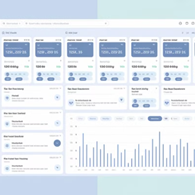




Today’s digital tools can significantly enhance your time management practices. Project management platforms like Asana and Trello help visualize workflows and deadlines. Time tracking apps such as RescueTime and Toggl provide insights into where your hours are actually going.
Calendar tools like Calendly automate scheduling, while focus apps like Forest gamify the experience of staying on task. The key is selecting tools that complement your work style rather than adding technological complexity that consumes more time than it saves.
Before You Go – Ask Yourself:
- What’s one task you could finish today using the 1-Minute Omelette formula?
- Are you spending enough time in the “Important but Not Urgent” quadrant?
- What’s your biggest time-waster—and how will you reduce it starting tomorrow?
- Could batching or delegation free up at least 1 hour of your week?
- What will you start saying “No” to—so you can say “Yes” to what matters most?
For more such amazing content visit : https://insightsphere.in/








Post Comment